 by
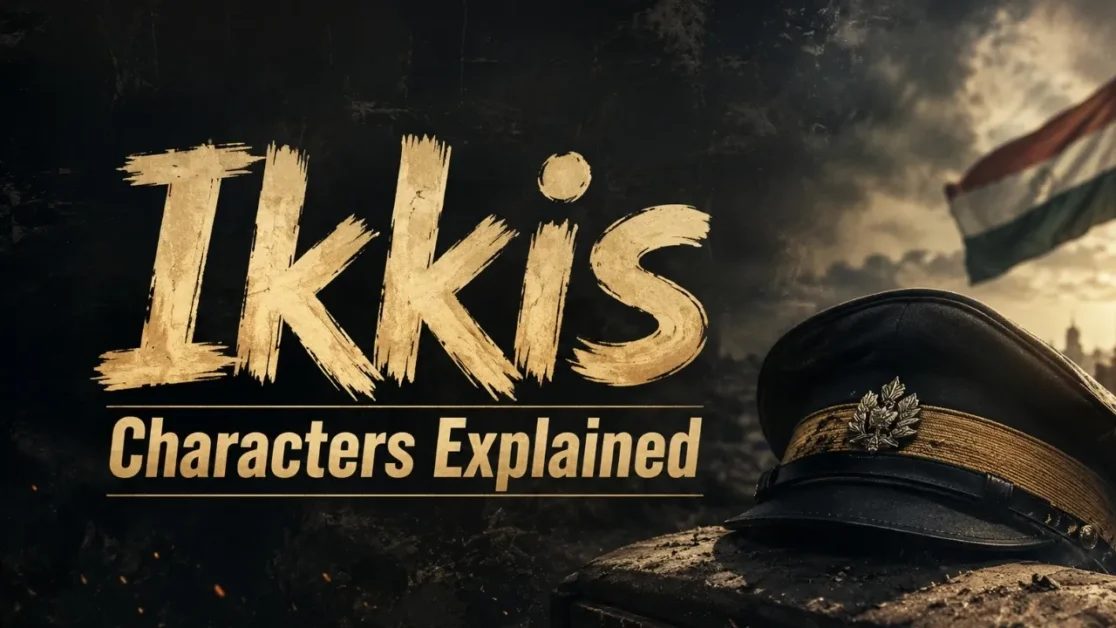
by Some war films are remembered for their action, while others stay with audiences because of the people behind the uniforms. Ikkis belongs to the second category. Inspired by the life of Second Lieutenant Arun Khetarpal, the film tells the story of a young Army officer whose courage earned him a permanent place in Indian military history. Rather than focusing only on combat, the narrative explores the emotions, relationships, and sacrifices that shaped his journey.
Directed by Sriram Raghavan, Ikkis blends historical inspiration with emotional storytelling. Every major character contributes to the narrative in a meaningful way, showing that heroism is never the achievement of one person alone. Family members, fellow soldiers, and close relationships all help explain the legacy Arun leaves behind.
This guide explains the main characters in Ikkis, their importance to the story, how they influence one another, and why they make the film much more than a traditional war drama.
Ikkis Movie Overview
| Category | Details |
|---|---|
| Movie | Ikkis |
| Release Year | 2026 |
| Genre | War, Biography, Drama |
| Language | Hindi |
| Director | Sriram Raghavan |
| Lead Actor | Agastya Nanda |
| Inspired By | Second Lieutenant Arun Khetarpal |
Unlike many military films that focus mainly on battle sequences, Ikkis builds its story through character-driven moments. It balances historical events with personal experiences, allowing viewers to understand the emotions behind every important decision.
Instead of presenting Arun Khetarpal only as a war hero, Ikkis also explores how his courage influenced his family, fellow soldiers, and the people who continued to remember his sacrifice long after the war.
Is Ikkis Based on a True Story?
Yes. Ikkis is inspired by the real-life story of Second Lieutenant Arun Khetarpal, one of India’s most respected war heroes.
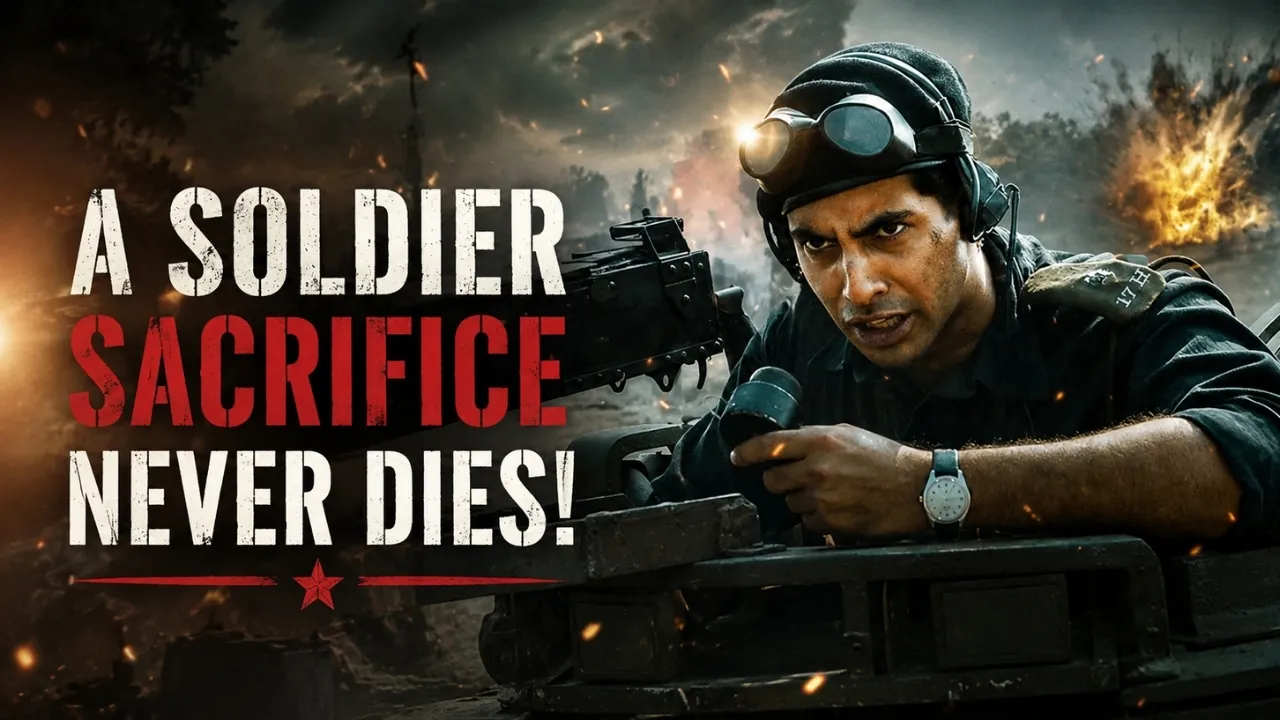
Arun Khetarpal served with the 17 Poona Horse during the 1971 Indo-Pak War. During the Battle of Basantar, he displayed exceptional courage while leading his tank against enemy forces despite overwhelming danger. His bravery and determination earned him the Param Vir Chakra, India’s highest wartime gallantry award.
Although Ikkis follows this historical foundation, it is also a cinematic retelling. Like most biographical dramas, certain conversations and personal moments are recreated to strengthen the emotional narrative. However, the film remains centred on Arun’s courage, leadership, and the legacy that continues to inspire generations.
The historical events portrayed in Ikkis are inspired by publicly documented accounts of Second Lieutenant Arun Khetarpal’s service during the 1971 Indo-Pak War. Readers interested in learning more about his military career can refer to official records and reputable historical resources, including the Indian Army’s published material and the Param Vir Chakra archive. While the film takes creative liberties for storytelling, its central inspiration remains rooted in documented history.
Complete Cast and Characters
The performances play an important role in making Ikkis emotionally engaging. Each character represents a different perspective on courage, sacrifice, and remembrance.
| Actor | Character | Role |
|---|---|---|
| Agastya Nanda | Arun Khetarpal | A brave young Army officer whose journey forms the heart of the film. |
| Dharmendra | M. L. Khetarpal | Arun’s father, representing memory, resilience, and family strength. |
| Jaideep Ahlawat | Brigadier Jaan Mohammad Nisar | A military figure who adds depth and humanity to the narrative. |
| Simar Bhatia | Kiran Kochar | Represents Arun’s personal life and dreams beyond the battlefield. |
| Supporting Cast | Soldiers and family members | Highlight friendship, teamwork, and the emotional cost of war. |
One of the film’s biggest strengths is the way each character serves a meaningful purpose rather than existing only to move the story forward. Rather than existing only to support the plot, they help audiences understand the human side of military history. Their relationships, choices, and emotions give Ikkis its emotional depth, making the story memorable long after the final scene.
For the latest cast updates, release details, and audience ratings, visit the official IMDb page for Ikkis.
Main Characters Explained
Arun Khetarpal – The Heart of Ikkis
Arun Khetarpal is the central character of Ikkis and the driving force behind its story. Inspired by the real-life Param Vir Chakra awardee, the film portrays him as more than just a fearless soldier. He is shown as a disciplined young officer who values duty, integrity, and teamwork.
Long before the action shifts to the battlefield, the film spends time exploring Arun’s everyday life, relationships, and aspirations. These quieter moments make him feel like a real person rather than just a decorated war hero, giving greater emotional weight to the sacrifices he later makes. His bravery is never exaggerated. Instead, the film allows his actions to speak for themselves, making his heroism feel genuine and inspiring.
Arun’s journey reminds viewers that true courage is not about seeking recognition but about standing firm when responsibility calls.
M. L. Khetarpal – A Father’s Strength
M. L. Khetarpal represents the emotional foundation of the film. As Arun’s father, he reflects both the pride and pain that military families experience.
His role goes beyond supporting the main character. Through his memories and quiet resilience, the audience understands the lasting impact of Arun’s sacrifice. Rather than expressing emotion through dramatic scenes, his character relies on subtle performances that make the story feel more authentic.
He reminds viewers that behind every national hero is a family whose courage often goes unnoticed.
Brigadier Jaan Mohammad Nisar – A Different Perspective
Brigadier Jaan Mohammad Nisar adds another layer to the narrative by presenting a broader view of war. Instead of reducing conflict to heroes and villains, his character encourages viewers to think about honour, respect, and humanity.
Through Brigadier Jaan Mohammad Nisar, the story highlights that every conflict carries emotional consequences beyond military victories or defeats. His perspective encourages viewers to reflect on the human side of war. This thoughtful portrayal helps Ikkis stand apart from many traditional military dramas.
Kiran Kochar – Hope Beyond the Battlefield
Kiran Kochar represents Arun’s life outside the Army. Her character brings warmth and optimism to the narrative while reminding viewers that every soldier has personal dreams and meaningful relationships.
Although her screen time is limited, Kiran plays an important emotional role. She highlights what Arun stands to lose and reinforces the personal cost of military service. Her presence adds depth without distracting from the film’s central story.
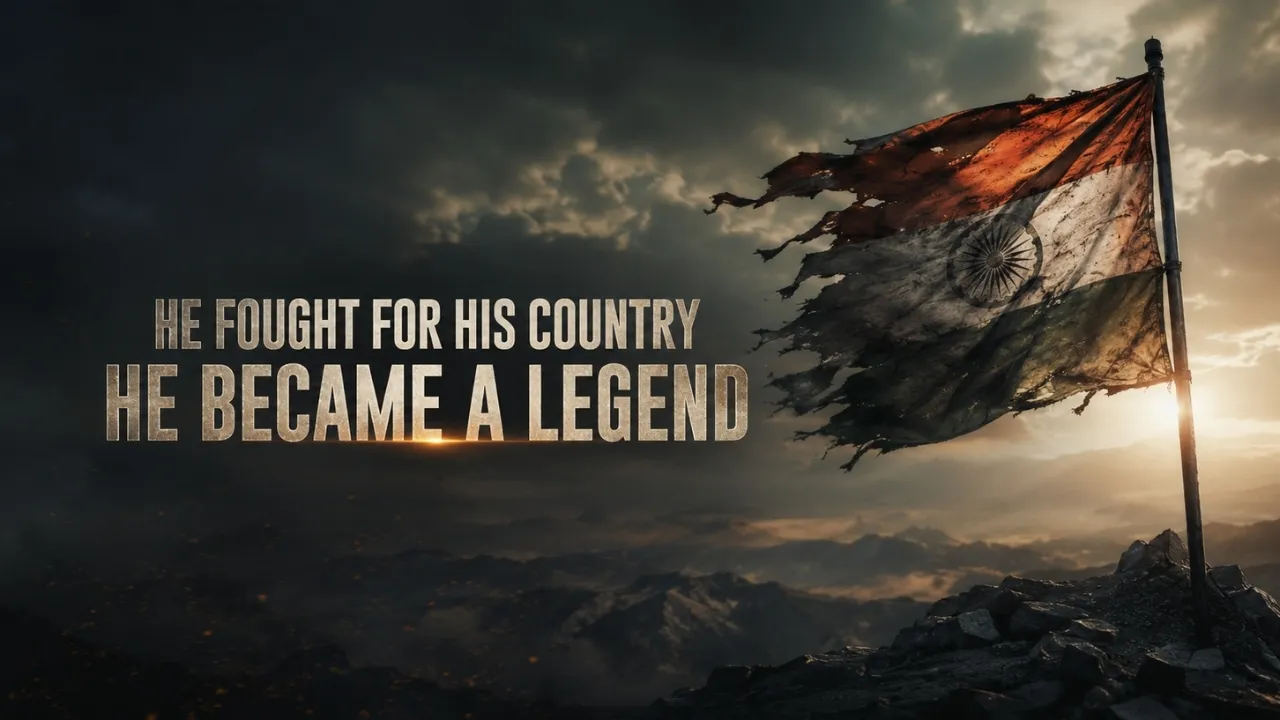
Fellow Soldiers – Brotherhood and Trust
The supporting soldiers demonstrate the importance of teamwork in military life. Their friendship, discipline, and trust create a believable environment where courage becomes a shared responsibility rather than an individual achievement.
Although the supporting soldiers receive less screen time, their presence reinforces the sense of teamwork and shared responsibility that defines military life.
Character Relationships
The relationships in Ikkis make the story emotionally engaging.
The bond between Arun and his father forms the emotional core of the film, reflecting love, pride, and sacrifice. Arun’s relationship with Kiran reveals the ordinary life he could have lived, making his decisions even more meaningful.
His connection with fellow soldiers highlights loyalty and teamwork, while interactions with Brigadier Nisar add maturity by showing that courage and respect can exist even during conflict. Together, these relationships create a well-rounded narrative that goes beyond military action.
Historical Accuracy vs Cinematic Storytelling
Like many biographical films, Ikkis balances historical facts with cinematic storytelling. While the central events are inspired by the life of Second Lieutenant Arun Khetarpal, some conversations, supporting characters, and emotional scenes may be dramatized to create a stronger narrative. This creative approach is common in historical cinema and helps audiences connect with real events while maintaining the emotional flow of the story.
Character Development
Character development unfolds gradually throughout the film, allowing important emotional moments to feel natural instead of rushed.
Arun evolves from an enthusiastic young officer into a fearless leader willing to put duty above his own safety. His father transforms from a proud parent into the guardian of his son’s legacy, carrying memories that inspire future generations.
Even supporting characters contribute to this emotional journey, ensuring that the film remains focused on people rather than events. This gradual development makes every important moment feel earned instead of forced.
Themes Through the Characters
The characters help communicate the film’s most important themes in a natural way.
Duty: Arun’s commitment to serving his country.
Sacrifice: The personal cost faced by soldiers and their families.
Leadership: Courage shown through responsibility rather than words.
Family: Emotional support that gives every sacrifice deeper meaning.
Humanity: Respect and compassion that continue even during conflict.
Rather than explaining its themes through dramatic speeches, Ikkis lets everyday interactions and personal relationships carry the emotional message. As a result, the film feels more authentic while continuing to honour the real-life legacy that inspired it.
Character Symbolism
The symbolism below reflects an editorial interpretation of how each major character contributes to the film’s themes. These observations are intended to help readers understand the narrative and should not be considered official descriptions provided by the filmmakers.
| Character | Symbolism |
|---|---|
| Arun Khetarpal | Courage, leadership, and selfless service |
| M. L. Khetarpal | Family strength, remembrance, and resilience |
| Brigadier Jaan Mohammad Nisar | Humanity, honour, and mutual respect |
| Kiran Kochar | Hope, love, and the life left behind |
| Fellow Soldiers | Brotherhood, loyalty, and teamwork |
Viewed from a storytelling perspective, these symbolic interpretations help explain how the characters reinforce the film’s broader themes of courage, sacrifice, family, and duty. Individual viewers may interpret these roles differently.Hidden Details You Might Miss
One of the film’s strengths is its attention to small details that quietly enrich the story. Arun’s character gradually matures through everyday interactions rather than dramatic speeches, making his transformation feel believable.
The film also uses moments of silence effectively. Instead of relying on emotional dialogue, several scenes allow expressions and pauses to communicate grief, pride, and determination.
Another subtle detail is the importance given to family life. These scenes remind viewers that every soldier has dreams, loved ones, and responsibilities beyond the battlefield. Such moments make the sacrifices shown later in the story even more meaningful.
Best Performances
The cast delivers performances that support the film’s emotional tone without overshadowing the story.
Agastya Nanda successfully portrays Arun Khetarpal with confidence and sincerity, balancing youthful energy with quiet determination.
Dharmendra brings warmth and emotional depth to M. L. Khetarpal, making the father’s journey one of the film’s most touching elements.
Jaideep Ahlawat adds maturity through his restrained performance as Brigadier Jaan Mohammad Nisar, while Simar Bhatia provides a gentle emotional balance through her portrayal of Kiran Kochar.
The cast’s restrained performances allow the emotional moments to feel believable, making the historical events more relatable without relying on excessive drama.
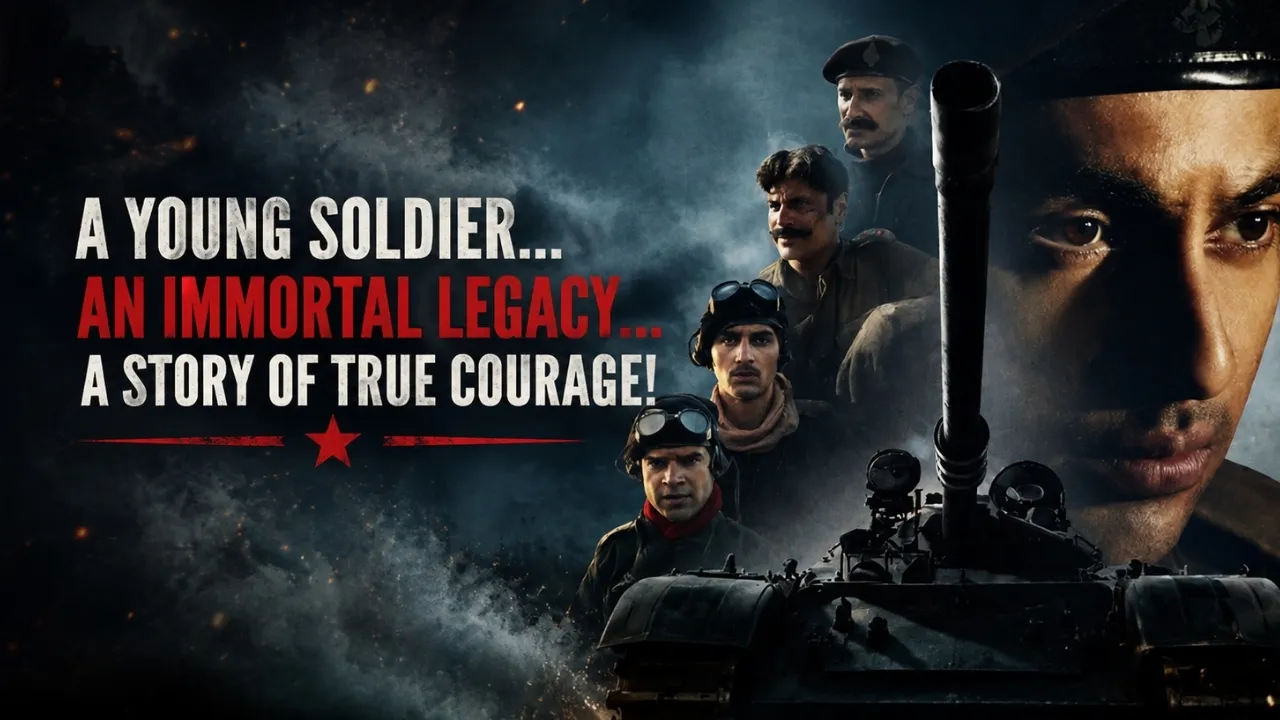
What Makes Ikkis Different?
Unlike many war dramas that place combat at the centre of the narrative, Ikkis gives equal importance to the lives, emotions, and relationships of the people involved. That character-first approach makes the story more personal and memorable.
Instead of presenting heroism through exaggerated action, the film builds emotional connections before showing the challenges of war. This makes every important moment feel more impactful.
The story also avoids portraying characters as entirely good or bad. By giving each major role emotional depth, Ikkis offers a balanced and thoughtful perspective on courage, sacrifice, and humanity. This character-driven approach is what sets it apart from many traditional war dramas.
Character Rankings
Based on their impact on the story, the main characters can be ranked as follows:
| Rank | Character | Why They Matter |
|---|---|---|
| 1 | Arun Khetarpal | The central figure whose journey drives the story. |
| 2 | M. L. Khetarpal | Adds emotional depth through a father’s perspective. |
| 3 | Brigadier Jaan Mohammad Nisar | Brings balance and humanity to the narrative. |
| 4 | Kiran Kochar | Represents Arun’s personal dreams and relationships. |
| 5 | Fellow Soldiers | Strengthen the themes of loyalty and teamwork. |
Each character has a unique purpose, and together they create a complete picture of Arun Khetarpal’s inspiring legacy.
Why These Characters Matter Today
Although Ikkis is set against the backdrop of the 1971 Indo-Pak War, its characters continue to resonate with modern audiences because they represent timeless values such as courage, responsibility, sacrifice, and resilience. Rather than celebrating war itself, the film highlights the personal choices and relationships that define true heroism. This broader emotional appeal is one of the reasons the story remains relevant across generations.
Final Character Verdict
The characters are the true strength of Ikkis. While Arun Khetarpal remains the heart of the story, the supporting cast ensures that the film never feels like a simple biography. Every supporting character contributes something meaningful to Arun’s journey, showing that acts of bravery leave a lasting impact not only on the individual but also on families, friends, and fellow soldiers.
By combining historical inspiration with believable character writing, Ikkis delivers a respectful and emotionally engaging tribute to one of India’s most celebrated military heroes.
Frequently Asked Questions
Who plays Arun Khetarpal in Ikkis?
Agastya Nanda portrays the role of Second Lieutenant Arun Khetarpal.
Is Ikkis based on a true story?
Yes. The film is inspired by the life of Param Vir Chakra awardee Arun Khetarpal.
Who is M. L. Khetarpal?
He is Arun Khetarpal’s father and represents the emotional side of the story.
Why is Brigadier Jaan Mohammad Nisar important?
His character adds a thoughtful perspective on honour, respect, and the human cost of war.
Is Ikkis worth watching?
If you enjoy historical dramas with strong characters and emotional storytelling, Ikkis offers a meaningful cinematic experience.
Conclusion
Ikkis is more than a film about war—it is a story about courage, family, sacrifice, and the people who keep a hero’s legacy alive. By focusing on well-developed characters instead of relying only on action, the film creates an emotional connection that stays with viewers long after the credits roll.
Whether you are interested in the real-life story of Arun Khetarpal or simply enjoy character-driven historical dramas, Ikkis offers an engaging experience that balances history with heartfelt storytelling. By balancing historical inspiration with emotionally grounded storytelling, Ikkis offers an experience that can appeal both to viewers interested in military history and to those looking for a character-driven drama.
Since Ikkis is inspired by real historical events, viewers who wish to explore the true story behind the film are encouraged to consult official military history resources and verified biographies of Arun Khetarpal for additional context beyond the cinematic adaptation.