 by
by Vrusshabha is much more than a fantasy action film filled with grand visuals, royal battles, and mythological elements. At its heart, the story revolves around complex relationships, emotional conflicts, and the lasting impact of legacy. The central father-son conflict drives the narrative, exploring themes of loyalty, betrayal, revenge, karma, and destiny in a way that gives the spectacle real emotional weight.
Rather than focusing only on the cast, understanding each character helps reveal why the story unfolds the way it does. Every major role has a purpose—whether it is shaping the emotional journey, influencing the power struggle, or revealing different sides of the film’s larger themes. From Adidev’s commanding presence to Tej Varma’s inner conflict, each character adds another layer to the narrative.
Directed by Nanda Kishore, Vrusshabha features Mohanlal in the lead alongside Samarjit Lankesh, Nayan Sarika, Neha Saxena, Ragini Dwivedi, Ajay, Kishore, Ali, and several other supporting actors. Drawing from official promotional material and publicly available information, This character analysis explains the major characters, their relationships, and how each of them contributes to the film’s emotional and dramatic journey.
Vrusshabha Movie Overview: Why the Characters Matter More Than the Spectacle
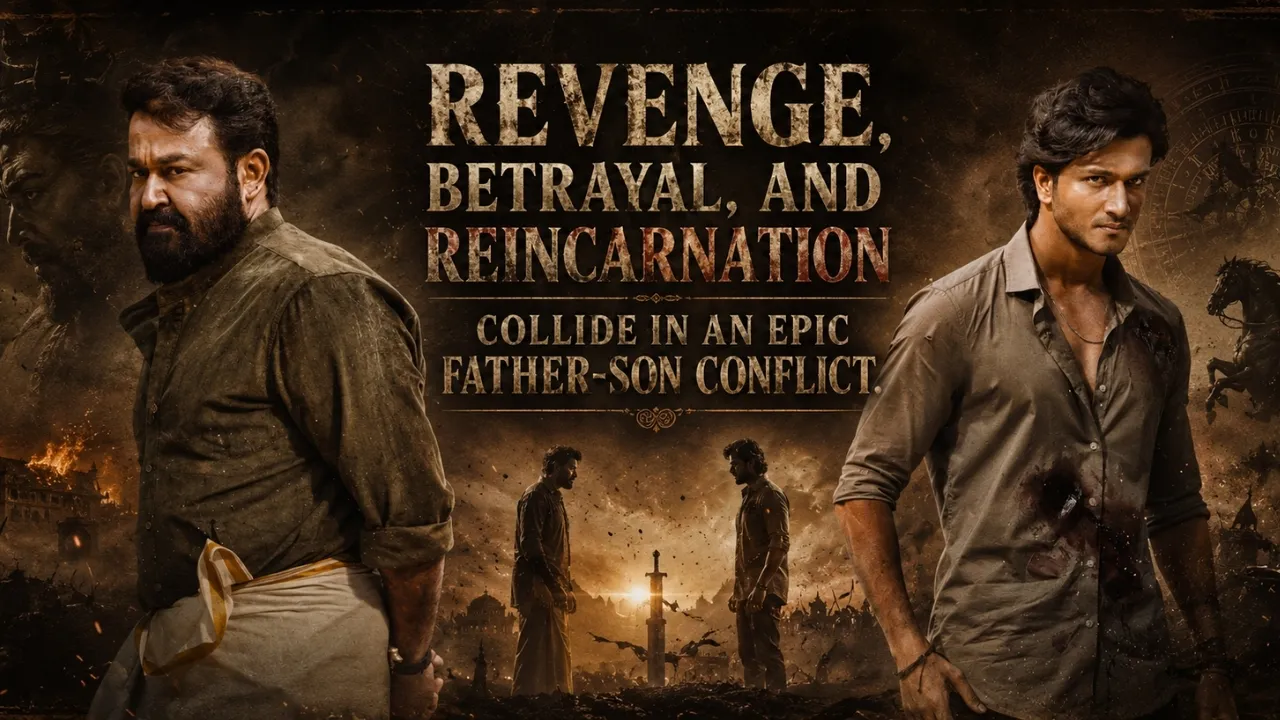
Before exploring the individual characters, it’s important to understand what makes Vrusshabha different from a typical fantasy action film. While its large-scale visuals, royal setting, and action sequences create an epic backdrop, the real story is driven by relationships and emotional conflict. The narrative revolves around Adidev and his son Tej Varma, whose clash is shaped by legacy, past-life memories, and questions of justice. Understanding this central conflict makes it much easier to appreciate the role each supporting character plays throughout the film.
- What drives the father
- Why the son turns against him
- What role the women play
- Who stands with power
- How the past influences the present
Adidev / Vrusshabha – The Central Force of the Film
Any complete character guide to Vrusshabha must
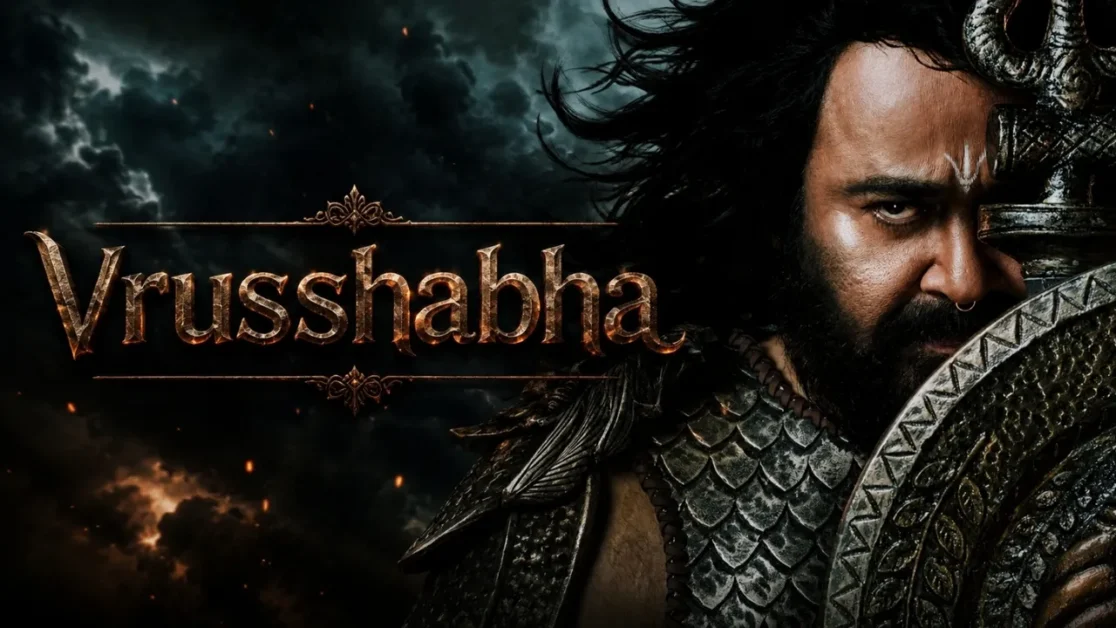
begin with Adidev, as the entire story revolves around his journey. The entire movie revolves around Mohanlal’s character, widely identified in public plot descriptions as Adidev, while the title and promotional material position him as the symbolic and emotional center of the film. The film’s official teaser presents Mohanlal’s character as a powerful ruler whose presence reflects the themes of authority, legacy, and destiny that define the story.
Who is Adidev?
Adidev is the character around whom Vrusshabha builds its world of power, loyalty, betrayal, and legacy. Beyond being a father and ruler, Adidev symbolizes authority, legacy, and the lasting influence of the past.
According to the film’s officially released story synopsis, Adidev is portrayed as a powerful and influential ruler from Devanagari whose legacy drives the central conflict of the narrative.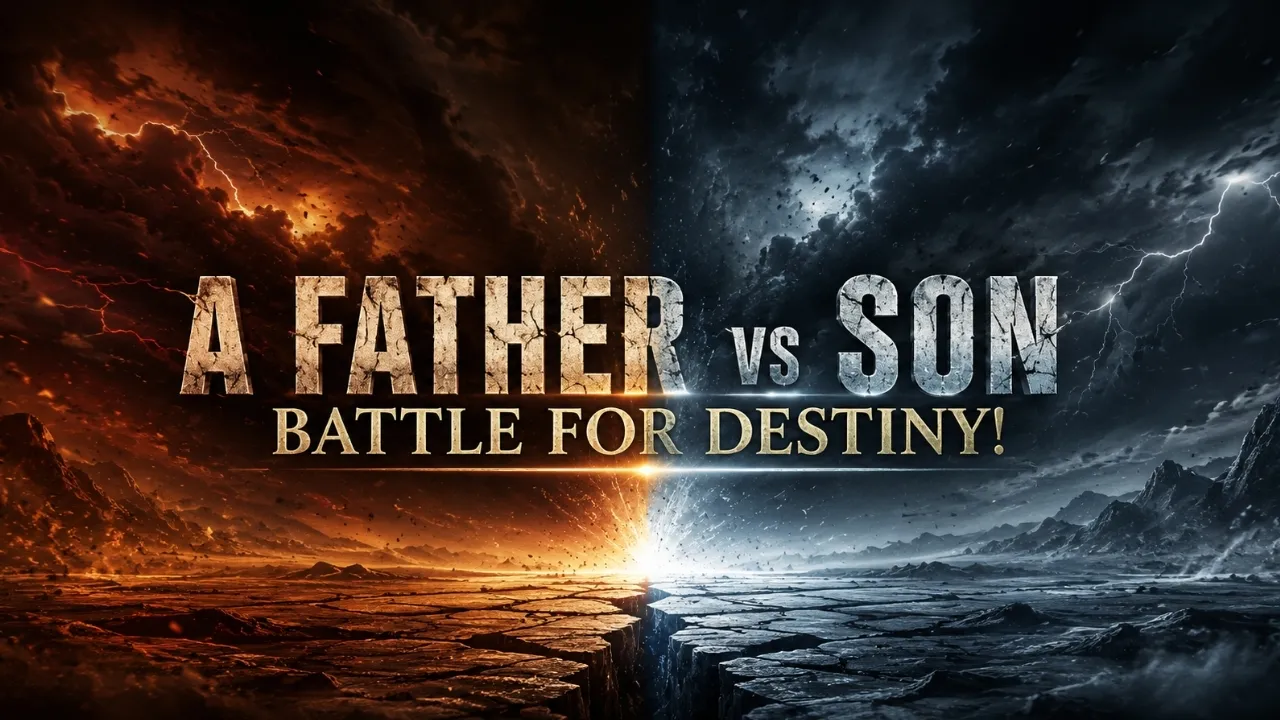
What makes Adidev important in the story
Adidev is far more than the film’s protagonist. As both a powerful ruler and a father, he embodies authority, legacy, and responsibility. His decisions shape the lives of those around him, while his relationship with Tej Varma forms the emotional heart of the story. Rather than being portrayed as purely heroic or villainous, Adidev is presented as a layered character whose past and present continue to influence every major conflict in the narrative.
While Adidev represents authority and legacy, his character can only be fully understood through his relationship with his son. That conflict shifts the focus of the story from power to personal betrayal, making Tej Varma the next essential character to explore.
Tej Varma – The Son Who Turns the Story Into a War of Blood and Memory
If Adidev is the force holding the film together, then Tej Varma is the force tearing it apart.
Publicly shared plot details and discussion around the film identify Samarjit Lankesh as the younger male lead, with the synopsis framing the son character — often referred to as Tej Varma — as someone who begins experiencing memories from a past life and becomes convinced that he must confront or kill his own father.
Why Tej Varma is the key to the entire conflict
- memories from a past life that reshape his identity
- unresolved emotions rooted in his relationship with Adidev
- the search for truth behind his past and present
- the internal struggle between revenge, justice, and destiny
The Father-Son Dynamic: The Real Core of Vrusshabha
If someone asks what Vrusshabha is really about, the simplest answer is this:
It is about a father and son standing on opposite sides of truth.
That is why any analysis of the film’s characters cannot separate Adidev and Tej Varma. Their relationship is the emotional spine of the film.
What makes their dynamic work
- Adidev stands for authority, legacy, and the past as he wants it remembered
- Tej stands for questioning, disruption, and the past as it returns to accuse
- Their bond is complicated by love, duty, resentment, and fate
- The story becomes larger than a family argument because it is tied to rebirth and moral reckoning
This father-son relationship is the reason Vrusshabha feels different from a standard fantasy action film. The action may attract the audience, but the emotional hook comes from the idea that the greatest threat to a father’s power may be his own son’s awakening.
Yashodha – The Emotional Anchor in a Story Full of Conflict
Where Yashodha represents emotional stability, the younger female lead offers a different perspective by influencing Tej Varma’s personal journey and emotional decisions.
What Yashodha adds to the film
In the film, Yashodha serves as an important emotional counterbalance to the central father-son conflict. While much of the story focuses on power, revenge, and legacy, her presence adds emotional depth and highlights the human cost of the conflict. She is important because films like Vrusshabha can easily become all noise — swords, betrayal, rage, and declarations of vengeance. Yashodha brings emotional balance to the narrative, providing a quieter perspective amid the larger conflicts.
Although the film keeps some aspects of her journey understated, Yashodha plays an important emotional role in the narrative by adding balance to the central father-son conflict and strengthening the story’s emotional depth.
Throughout the narrative, Yashodha’s character reinforces several important emotional themes:
- Strengthening the emotional connection between characters
- showing the emotional impact of revenge
- bringing balance to the story
- highlighting the importance of family relationships
What Yashodha adds to the film
In Vrusshabha, Yashodha provides an emotional perspective that balances the intense father-son conflict. Her presence reminds viewers that the story is ultimately about relationships as much as power and revenge.
In this character breakdown, she matters because she softens the edges of the central conflict and adds emotional texture to a story that could otherwise become too heavy with rage and destiny.
Where Yashodha represents emotional stability, the younger female lead offers a different perspective by influencing Tej Varma’s personal journey and emotional decisions.
The Female Lead Opposite the Younger Arc – Love, Loyalty and Emotional Contrast
Public cast listings and trailer details place Nayan Sarika among the important supporting players in Vrusshabha. While some pre-release casting changed during production, the final lineup clearly positions her as one of the major younger characters around Tej’s side of the story.
Why this character matters
- to reveal the hero’s softer side
- to challenge his choices
- to represent the future he may destroy through obsession
Her role becomes increasingly important as Tej Varma struggles with identity, memory, and revenge, providing emotional contrast throughout the story. A romantic or emotionally close character gives the audience a glimpse of the life he could have lived if the past had not taken hold of him.
What this role adds emotionally
Her character serves as an emotional counterbalance to Tej’s growing obsession with revenge. Through her relationship with him, the story highlights themes of loyalty, compassion, and the possibility of choosing a different path.
This is important because Vrusshabha characters explained should not focus only on the men with swords and secrets. The supporting women in a story like this often shape the emotional tone more than they get credit for.
Ragini Dwivedi’s Character – Royal Presence, Power and the Political Layer
Ragini Dwivedi is also listed among the key cast members in Vrusshabha. Although only limited official information has been released about her character, she contributes to the film’s broader political and royal narrative.
How Ragini Dwivedi’s Character Influences the Story
- court politics
- power alliances
- the social world around Adidev’s empire
- the public consequences of private conflict
In a film like Vrusshabha, not every major character needs to drive the emotional core directly. These supporting characters show how personal conflicts eventually affect the kingdom’s political stability and the lives of those around the main characters.
Political influence alone does not create conflict. External rivals such as Darpan and Guna raise the stakes further by directly challenging Adidev’s authority.
Darpan, Guna and the Antagonistic Forces Around Adidev
They serve an important function in the story:
- they widen the conflict beyond family drama
- they create pressure on Adidev from outside the home
- they show that power always attracts enemies
- they blur the line between personal betrayal and political conspiracy
The Supporting Men Around Adidev and Tej – Loyalty, Threat and World-Building
What these supporting characters usually contribute
The supporting characters strengthen the world-building by serving as commanders, advisors, rivals, loyal allies, and influential figures whose actions shape both the political landscape and the personal journeys of the main characters.
Even when the screenplay doesn’t give each of them a huge independent arc, they matter because they create the texture of the world. A kingdom or empire only feels real when it has more than two people standing in it.
The key takeaway from this character guide is:
The supporting cast strengthens the story by representing different loyalties, political interests, and military alliances. Their presence makes the kingdom feel more believable while increasing the impact of the central father-son conflict.
How Vrusshabha Uses Characters to Explore Rebirth and Revenge
The biggest reason Vrusshabha lends itself to a character explainer is that the movie doesn’t rely only on external action. Its emotional drive comes from how different characters carry different versions of the truth.
- Adidev carries the truth of power and legacy
- Tej carries the truth of memory and revenge
- Yashodha carries the emotional truth of what conflict does to relationships
- the younger female lead carries the possibility of love, normalcy, and a life outside revenge
- rivals like Darpan and Guna carry the political truth that power always has enemies
- the wider supporting cast carries the social and political weight of the world around them.
Why the Characters Matter More Than the Action
What makes Vrusshabha memorable is not just its large-scale action or visual spectacle, but the emotional conflict between Adidev and Tej Varma. Their relationship gives meaning to the film’s themes of legacy, revenge, and destiny, making the story more engaging than action alone.
Many viewers look for a detailed character guide because they want to understand:
- why the son turns against the father
- whether Adidev is a hero, a tragic ruler, or something darker
- what the women in the film actually add to the story
- how the supporting rivals fit into the larger conflict
- whether the film is really about revenge, redemption, or destiny
That’s the value of a strong character article. It makes the film easier to understand, even for readers who felt the story was uneven or overloaded with mythology.
Conclusion
Vrusshabha characters explained is ultimately about understanding the people who turn this film from a fantasy spectacle into a story of conflict, memory, and inheritance. At the center is Adidev, the powerful father figure whose authority and legacy dominate the world of the film. Opposite him stands Tej Varma, the son whose awakening and past-life memories transform family tension into a battle of fate, revenge, and moral reckoning. Around them, characters like Yashodha, the younger female lead, political rivals, and the larger supporting cast help expand the story beyond one relationship and show how personal wounds can shake an entire world.
That is what makes Vrusshabha more interesting as a character-driven film than it may first appear. The spectacle may come from the fantasy setting, but the emotional core comes from people — a father trying to hold on to power, a son struggling with memory and identity, and a supporting world shaped by loyalty, love, ambition, and suspicion. Each major character influences the story differently. Adidev represents legacy and authority, Tej Varma challenges that legacy, Yashodha adds emotional balance, and the supporting characters expand the political and social conflicts surrounding them.
Ultimately, the best way to understand Vrusshabha is through its characters and the relationships that shape their journey. While the film delivers grand action, royal conflicts, and mythological elements, its true strength lies in the emotional bond between Adidev and Tej Varma. Their struggle over legacy, revenge, and destiny transforms the story from a visual spectacle into a meaningful character-driven drama, making its emotional conflicts just as memorable as its action sequences.
Sources
This character guide is based on information from the following publicly available sources:
- Official *Vrusshabha* teaser and trailer
- Official cast announcements and promotional material
- Production updates released by the filmmakers
- The narrative and characters presented in the film
Frequently Asked Questions
What is Vrusshabha about?
Vrusshabha is a fantasy action drama that explores the emotional conflict between Adidev and his son, Tej Varma. Alongside its epic action and royal backdrop, the story focuses on legacy, revenge, reincarnation, loyalty, and family relationships.
Who plays Adidev in Vrusshabha?
Mohanlal plays Adidev, the central character whose leadership, past, and relationship with his son form the emotional core of the film.
Who is Tej Varma in Vrusshabha?
Tej Varma, portrayed by Samarjit Lankesh, is Adidev’s son. His journey is driven by past-life memories, inner conflict, and the search for truth, making him one of the film’s most important characters.
Who are the main characters in Vrusshabha?
The film’s major characters include Adidev, Tej Varma, Yashodha, the younger female lead, Ragini Dwivedi’s character, Darpan, Guna, and several supporting figures who shape the political and emotional conflicts of the story.
Is Vrusshabha based on mythology?
The film incorporates themes inspired by mythology, including karma, destiny, and reincarnation, while telling its own original fictional story.
What is the relationship between Adidev and Tej Varma?
Adidev and Tej Varma share a father-son relationship that lies at the heart of the story. Their emotional conflict, shaped by trust, legacy, and past-life memories, drives the film’s narrative.
Who directed Vrusshabha?
Vrusshabha is directed by Nanda Kishore and features a multilingual cast led by Mohanlal.
Why are the characters important in Vrusshabha?
Each character contributes to the film’s larger themes of power, family, destiny, and redemption. Understanding their motivations makes the story easier to follow and adds greater emotional depth to the viewing experience.