 by
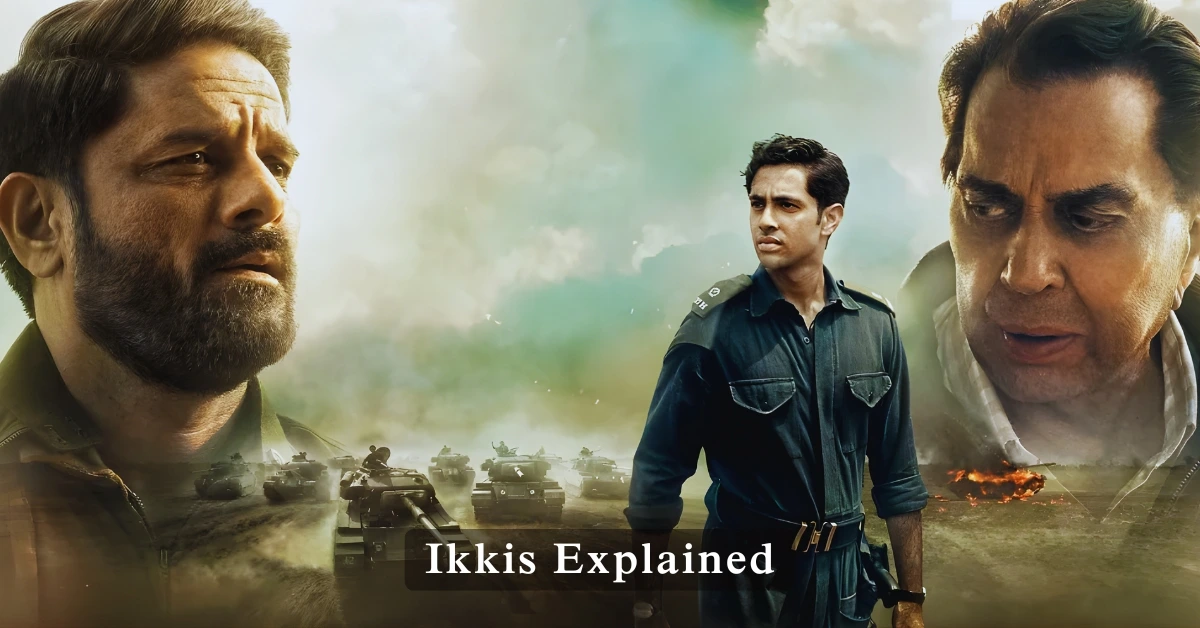
by Patriotism in cinema is often loud. It arrives with speeches, flags, and dramatic music. Ikkis takes a different approach. It speaks softly, through silence, sacrifice, and human emotion. At its core, Ikkis is not just a patriotic film—it is a reflection on duty, bravery, and the personal cost that comes with serving something larger than oneself. Understanding Ikkis Explained means looking beyond action and symbolism, and into the lives shaped by responsibility.
The film draws inspiration from real events, but it does not try to recreate history scene by scene. Instead, it captures the emotional truth of service: the fear before a mission, the strength found in unity, and the weight carried long after the uniform is removed.
Patriotism Without Noise
One of the most striking elements of Ikkis is how quietly it handles patriotism. There are no exaggerated monologues about honor or sacrifice. Instead, patriotism is shown through choices—choosing to stay when leaving would be easier, choosing discipline over comfort, choosing duty over personal desire.
In Ikkis Explained, patriotism feels lived-in rather than performed. The characters do not question why they serve; they question how much serving will cost them. This grounded portrayal makes the film feel honest. It respects the audience enough to let emotion grow naturally rather than forcing it.
By avoiding overt nationalism, Ikkis allows patriotism to feel universal. It becomes less about borders and more about responsibility—to teammates, civilians, and conscience.
Bravery Redefined
Bravery in Ikkis is not fearlessness. In fact, fear is present in nearly every frame. What defines bravery here is action taken despite fear. The film repeatedly shows hesitation before courage—hands shaking slightly, eyes scanning the unknown, silence before movement.
This is where Ikkis Explained becomes deeply human. The soldiers are trained, but they are not emotionless. Their bravery comes from trust in one another. No one moves alone. Each step forward is supported by shared belief.
The film challenges the traditional idea of the hero. There is no single unstoppable figure. Bravery is collective, built from coordination, loyalty, and quiet resolve.
Duty as a Moral Weight
Duty is the backbone of Ikkis. It is portrayed not as a slogan, but as a burden. The characters understand that duty demands obedience, discipline, and sometimes moral compromise.
The commanding figures in the film embody this struggle most clearly. Their decisions affect lives. Maps, orders, and timing are not abstract—they are human calculations. In Ikkis Explained, leadership is shown as emotionally isolating. Commanders must remain calm while carrying guilt, doubt, and responsibility.
This portrayal strips away romanticism. Duty is necessary, but it is never easy. The film respects the cost of command without glorifying authority.
Brotherhood and Shared Sacrifice
The emotional heart of Ikkis lies in the relationships between the soldiers. Brotherhood is not declared; it is built through routine, shared hardship, and unspoken understanding.
Small moments—jokes before tension, glances exchanged during danger, silence after loss—reveal the depth of these bonds. These relationships give meaning to sacrifice. When something is lost, it feels personal, not symbolic.
In Ikkis Explained, sacrifice is never abstract. It always has a face, a name, and a memory attached to it. This approach prevents the film from becoming a spectacle and keeps it grounded in reality.
The Cost of Duty
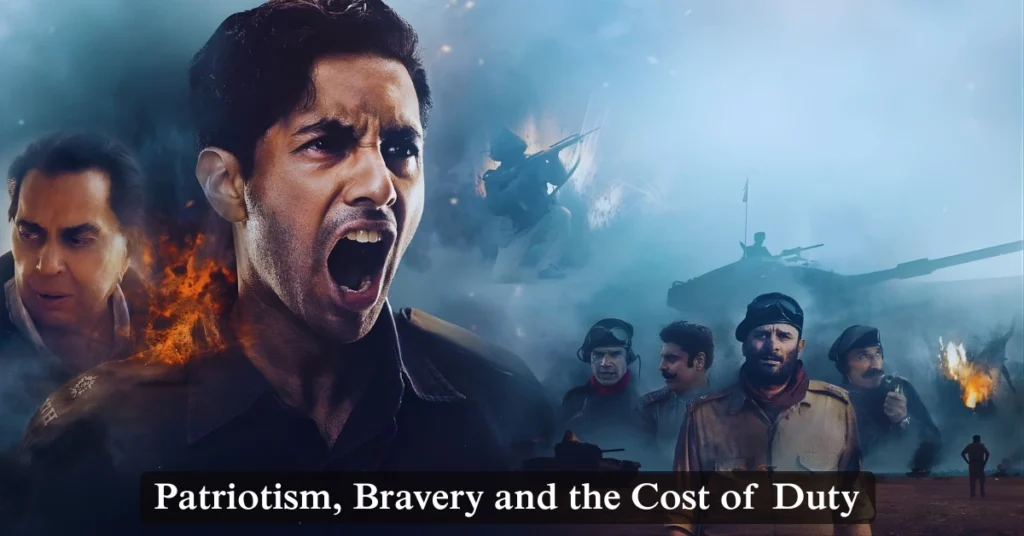
Perhaps the most important theme of Ikkis is cost. Not just physical injury or death, but emotional aftermath. The film acknowledges what many patriotic narratives ignore: service leaves marks that do not fade easily.
Some characters carry visible wounds. Others carry silence. The film does not rush past these moments. It allows stillness to speak, emphasizing that survival itself can be heavy.
This is where Ikkis Explained becomes especially powerful. It respects the idea that bravery does not end with the mission. Living with memory, loss, and responsibility is its own form of courage.
Civilians and Moral Complexity
Unlike many military films, Ikkis gives space to civilian perspectives. These characters are not plot devices; they are reminders of why duty exists in the first place.
Interactions between soldiers and civilians highlight moral complexity. Protection comes with limitations. Good intentions cannot erase harm entirely. These moments challenge simple definitions of victory.
By including civilian impact, Ikkis Explained avoids glorification and embraces realism. Duty is shown as protective, but never clean.
Inspired by True Events
While Ikkis is not a documentary, it is rooted in real-life inspiration. The film draws from historical contexts and real missions without claiming complete accuracy. Instead, it focuses on emotional truth.
Characters are composites, representing many real individuals whose stories remain untold. This approach allows the film to honor reality without exploiting it.
In Ikkis Explained, authenticity comes from behavior, not headlines. The fear, discipline, and loyalty shown on screen echo real experiences shared by those who have served.
Visual Storytelling and Silence
One of the film’s strengths lies in what it does not say. Silence plays a major role in Ikkis. Long pauses, restrained dialogue, and still frames allow emotion to breathe.
The cinematography supports this tone. Scenes are grounded, often muted, avoiding excessive spectacle. Action exists, but it never overshadows character.
This restraint reinforces the film’s themes. Patriotism does not need volume. Bravery does not need celebration. Duty does not need justification.
The Ending: Reflection Over Triumph
The conclusion of Ikkis resists triumphalism. There is no sense of complete victory, only survival and reflection. The film ends where many stories avoid—after the mission, when silence returns.
This choice defines Ikkis Explained. The audience is not asked to cheer, but to remember. The final moments focus on faces rather than flags, memory rather than medals.
Why Ikkis Explained Matters
Ikkis stands out because it treats patriotism with maturity. It acknowledges bravery without exaggeration and honors duty without ignoring its cost.
In a genre often dominated by spectacle, film chooses humanity. It reminds us that service is not just about national pride—it is about people who carry responsibility quietly.
Understanding Ikkis Explained means recognizing that the truest form of patriotism is not loud loyalty, but sustained commitment. It is the willingness to serve, to protect, and to endure—often without recognition.
That is the lasting power of Ikkis. It does not ask for applause. It asks for respect.