
 by
by Some films tell you exactly what they are in the first ten minutes. Tu Yaa Main doesn’t do that. After watching it from start to finish, what stood out to me wasn’t just the survival thriller aspect but how confidently it shifted between completely different genres. While the execution isn’t flawless, the movie remained engaging because it kept surprising me in ways I didn’t expect.
Tu Yaa Main doesn’t do that. It begins like a glossy, modern romance set in the world of influencers, image-building, and social media ambition. You expect banter, attraction, class differences, maybe a few emotional complications—and the film gives you all of that. But just when it starts looking like a stylish opposites-attract love story, it swerves into survival mode and becomes something much stranger, darker, and far more tense.
That tonal shift is what makes Tu Yaa Main such an unusual watch.
Directed by Bejoy Nambiar and led by Adarsh Gourav and Shanaya Kapoor, the film isn’t interested in playing by one genre’s rules. It starts with two people from completely different worlds, throws them together for a content collaboration, slowly builds attraction between them, and then strands them in a nightmare where their chemistry matters far less than their ability to stay alive. By the time the story reaches its second half, romance takes a backseat and survival becomes the only language that matters.
On paper, it sounds like a risky mix: influencer satire, class commentary, romantic drama, and a creature thriller rolled into one. And to be fair, Tu Yaa Main does feel uneven in places because of that ambition. The first half and second half almost belong to different films. But there’s also something undeniably entertaining about watching a movie take such a wild turn and commit to it.
What keeps the film watchable is that beneath the genre switch, there’s still a clear emotional thread. This is not just a story about escaping a crocodile attack or surviving a deadly trap. It’s also about performance—both online and in real life. It asks what remains of a person once the camera is gone, the curated image collapses, and survival strips away every layer of self-branding. In that sense, the title Tu Yaa Main feels fitting. Every major event pushes both characters toward one brutal question: when everything falls apart, who matters more—you, or the person beside you?
If you’re looking for a clean, polished thriller with airtight logic, this isn’t that film. But if you enjoy movies that swing big, blend romance with danger, and leave you with plenty to talk about afterward, Tu Yaa Main is an interesting one to unpack.
About Tu Yaa Main
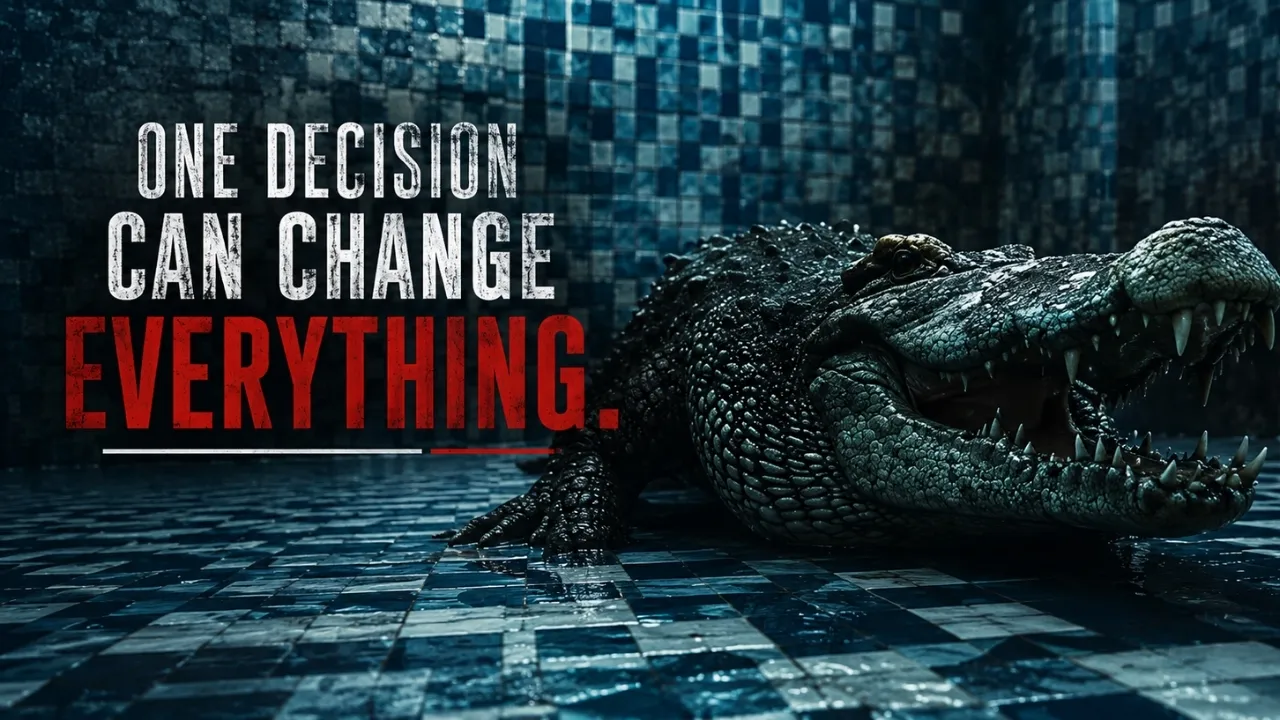
Tu Yaa Main is a Hindi survival thriller directed by Bejoy Nambiar and starring Adarsh Gourav and Shanaya Kapoor in the lead roles. The story follows two digital creators from completely different social backgrounds who begin as rivals, slowly develop a romantic connection, and eventually find themselves trapped in a life-or-death survival situation involving a crocodile inside an abandoned swimming pool.
The movie blends romance, survival thriller elements, class commentary, and influencer culture into a single story, making it an unusual genre hybrid. The film was released in February 2026 and quickly drew mixed reactions. Some viewers loved the bold genre switch and survival tension, while others felt the first half took too long to reach the real thriller hook. That split response makes sense because Tu Yaa Main is less interested in consistency than in contrast. It wants the romance to feel dreamy enough that the horror of the second half lands harder.

Tu Yaa Main Story Overview: Love, Ego, and a Very Bad Getaway
The story revolves around Maruti, a talented but under-recognized musician/content creator from a modest background, and Avani Shah, a high-profile influencer whose online image is polished, glamorous, and commercially valuable. They live in the same digital universe but come from entirely different realities.
Maruti wants visibility, growth, and a chance to be seen. Avani already has fame, reach, and the kind of carefully curated social media life that turns everyday moments into content. Their first interactions are shaped by this imbalance. Maruti sees collaboration as an opportunity. Avani sees him as someone from a different world—interesting, maybe useful, but not exactly part of her carefully controlled ecosystem.
That class divide becomes one of the most important ingredients in the first half of the film.
The early sections are built around tension, attraction, ego clashes, and the awkward chemistry of two people who don’t naturally fit into each other’s lives. Maruti is raw, ambitious, and emotionally transparent in ways Avani isn’t used to. Avani is guarded, image-conscious, and shaped by privilege. Their personalities clash, but that friction slowly turns into fascination.
Eventually, the two agree to work together, and what starts as a strategic content collaboration begins to look more personal. The film spends a good amount of time in this space—showing their growing comfort, teasing out emotional vulnerability, and building a romance that feels unlikely but not impossible. It’s here that Tu Yaa Main looks like a modern love story about status, authenticity, and digital-era attraction.
And then the film flips.
During a trip away from the city, the pair find themselves trapped in an empty swimming pool at an isolated property. The situation is already bad enough—they’re injured, vulnerable, and cut off from help—but it becomes terrifying when they realize a crocodile is in the same space, turning the pool into a death trap. From that point onward, the movie stops being about likes, followers, and emotional posturing. It becomes a survival story built on fear, instinct, and impossible choices.
Full Story Explained: What Actually Happens in Tu Yaa Main?
If we look at Tu Yaa Main as a complete story rather than just a genre thriller, it’s really divided into three emotional stages: performance, connection, and survival.
1) Performance: Two People Hiding Behind Versions of Themselves
At the beginning, both Maruti and Avani are performing in different ways.
Maruti performs hustle. He is hungry to be noticed, hungry to be taken seriously, and aware that talent alone doesn’t guarantee visibility. He carries the frustration of someone who knows he has something real to offer but doesn’t have the platform to make people care. His online persona and creative ambition are tied to survival in a social sense—he wants to rise, to be seen, to matter.
Avani performs control. She knows how to sell a version of herself to the internet. She understands how to package beauty, confidence, and aspirational living into content. But that confidence is not the same as emotional openness. She’s used to managing perception, not necessarily dealing with raw, inconvenient feelings.
This contrast gives the first half its energy. They aren’t just from different economic backgrounds; they speak different emotional languages. Maruti is direct. Avani is filtered. He wants something real, even if it’s messy. She wants things to remain manageable, presentable, and within the frame.
2) Connection: The Romance Grows in the Gaps Between Them
As the story moves forward, the film lets the distance between them shrink. That doesn’t happen instantly, and it shouldn’t. Their attraction works because it grows out of irritation, curiosity, and repeated proximity rather than instant fairy-tale chemistry.
Maruti sees past Avani’s polished surface. Avani, in turn, begins to see that Maruti isn’t just another guy chasing clout—he’s someone with emotional honesty, talent, and a kind of rough sincerity that doesn’t exist in her world of managed branding.
This is where the film almost feels like a class-crossed romance more than a thriller. The emotional pull comes from the possibility that these two might actually be good for each other, precisely because they expose what the other is missing. Maruti brings spontaneity and truth. Avani brings structure, confidence, and access to a world he has always been kept outside of.
But the film never lets this romance settle into comfort for too long.
3) Survival: The Pool Becomes a Brutal Test of Who They Really Are
Once they’re trapped in the pool with the crocodile, every romantic beat gets recontextualized. The question is no longer whether they like each other or whether their worlds can merge. The question is whether they can trust each other enough to survive.
And this is where Tu Yaa Main becomes more interesting than a simple creature feature.
The crocodile is obviously the physical threat, but it also functions like a brutal equalizer. In the pool, social media status means nothing. Wealth means nothing. Charm means nothing. There are no filters, no followers, and no audience to impress. There are only bodies, fear, strategy, and the desperate need to stay alive.
That’s what makes the second half compelling even when the logic gets shaky. The pool strips both characters down to their instincts. Avani can no longer rely on performance. Maruti can no longer rely on emotional momentum. Every decision now has consequences, and every moment of hesitation feels dangerous.
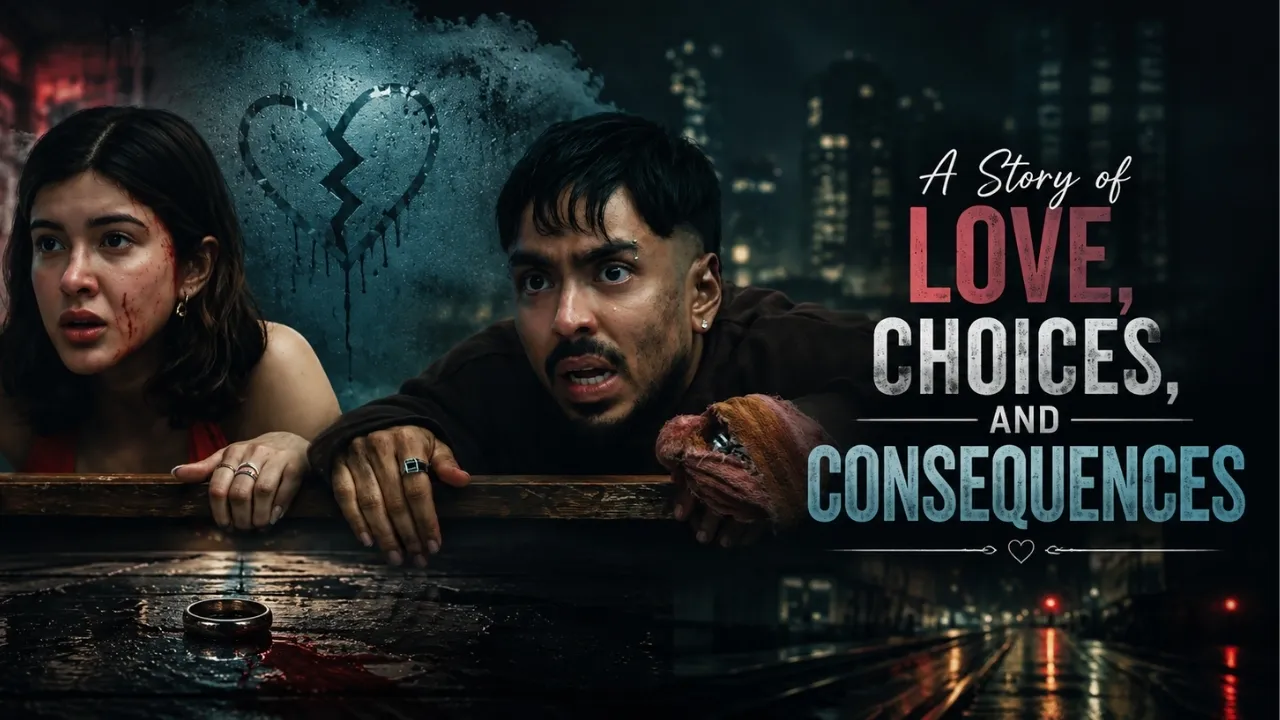
As the danger escalates, both Maruti and Avani are forced to reveal who they truly are. Their decisions under pressure expose their fears, courage, and the strength of the bond they have built. Are they willing to risk themselves for each other? Is the connection real enough to survive fear? And perhaps most importantly, when a life-or-death moment arrives, do they act as a team—or as two individuals trying not to die first?
That is the real meaning of the title.
Maruti and Avani: Why the Lead Dynamic Carries the Film
A movie like Tu Yaa Main only works if the central pair hold your attention through both halves of the story. The first half needs enough chemistry to make the romance believable, and the second half needs enough emotional investment to make the danger matter.
Maruti: The Film’s Most Grounded Character
Maruti is easily the more emotionally accessible character. He doesn’t have the privilege or polish of Avani, but that’s exactly why he works. He feels lived-in. He’s ambitious without being fake, vulnerable without being weak, and romantic without feeling overly manufactured.
Adarsh Gourav brings a naturalness to the role that helps a lot. Maruti could have been written as the standard “poor but honest” underdog, but the performance gives him more texture than that. He’s funny, wounded, persistent, and a little reckless—all of which make him believable when the film asks him to shift from flirtation to survival mode.
Avani: More Than Just the Rich Influencer Archetype
Avani initially looks like a familiar character—the glamorous influencer who seems detached from reality. But the film gradually reveals that her control is also a defense mechanism. She knows how to manage image because image is what keeps her world stable.
That’s why the pool becomes such a strong narrative device for her character. It removes every layer she uses to protect herself. Once the danger becomes real, Avani has to stop being “Miss Vanity” and become just a person trying to stay alive. That shift is one of the more satisfying arcs in the film because it gives her room to become emotionally legible in a way the first half intentionally resists.
Together, Maruti and Avani work because they are constantly forcing each other out of performance. The romance is not just about attraction; it’s about exposure.
The First Half vs the Second Half: Why the Film Feels Like Two Different Movies
This is the biggest conversation around Tu Yaa Main, and honestly, it’s fair.
The first half is slower, more playful, and more interested in character setup, class differences, influencer culture, and romantic tension. The second half is a survival thriller built around panic, injury, and a crocodile attack. That tonal split is so sharp that some viewers will love the unpredictability while others will feel the film takes too long to become the movie it promised in the trailer. Many viewers may find the sharp tonal shift refreshing, while others may feel the romantic setup runs longer than necessary before the survival story truly begins.
But there’s another way to look at it: the split is intentional.
The first half isn’t just filler before the crocodile appears. It exists to build contrast. The pool sequence works better if we’ve spent enough time understanding who these people are when life is still normal. Without that emotional runway, the survival section would become just another thriller gimmick. The problem isn’t that the first half exists; it’s that it sometimes stretches scenes longer than necessary, which weakens momentum.
So yes, the film does feel like two movies stitched together. But the stitching is part of the design, not just a flaw.
What the Crocodile Really Represents in Tu Yaa Main
It’s easy to talk about the crocodile as a monster-movie element, but in a film like this, it does more than provide danger. It also acts as a narrative cleaner. It destroys illusion.
Before the attack, both Maruti and Avani are living through performance—he through ambition, she through image. The crocodile doesn’t care about any of that. It reduces their world to its most basic truth: fear, survival, sacrifice, instinct.
That’s why the second half feels so stripped down. The pool becomes a brutal emotional test. It asks both characters who they are when there’s no audience, no status, and no chance to edit the version of themselves that the other person sees.
In a strange way, the crocodile is the most honest thing in the film. It doesn’t manipulate, posture, or perform. It simply exists as danger. And in response to that danger, the humans are forced to stop pretending too.
What Works in Tu Yaa Main
1. The central concept is genuinely fun
A social-media romance suddenly turning into a crocodile survival thriller is such a wild premise that it’s hard not to be curious.
2. Adarsh Gourav gives the film emotional weight
Even when the screenplay gets uneven, his performance keeps Maruti grounded and watchable.
3. The second half creates real tension
Once the pool trap begins, the movie becomes much more gripping. The survival mechanics, fear, and physical vulnerability finally give the story urgency.
4. The class divide adds texture
The rich-girl/working-class-boy dynamic could have been shallow, but it gives the romance a sharper edge and makes the emotional conflict more interesting.
5. The film is willing to be weird
Mainstream Hindi cinema doesn’t often commit to this kind of creature-feature romance hybrid, and that alone makes it memorable.
Where the Film Struggles
1. The pacing is inconsistent
The build-up takes longer than it needs to, especially if you’re waiting for the thriller portion to begin.
2. Tonal balance is messy
The rom-com and survival thriller halves don’t always blend smoothly, even if the contrast is intentional.
3. Logic sometimes takes a backseat
Like many survival thrillers, the film occasionally asks you to ignore practical questions and just go with the ride.
4. The creature effects may not work for everyone
If you need absolute realism from the crocodile sequences, some moments may pull you out of the experience rather than deeper into it.
Is Tu Yaa Main Worth Watching?
If you want a safe, familiar romance, probably not.
If you want a clean survival thriller with no genre detours, maybe not.
But if you enjoy films that take a risk, mash up romance with danger, and give you a setup you don’t usually see in mainstream Hindi cinema, Tu Yaa Main is worth a watch. It’s messy, yes. It’s stretched in places, yes. But it’s also ambitious in a way that makes even its flaws interesting.
This is the kind of movie you watch knowing it may not fully come together—and then end up appreciating it anyway because it at least tried to do something different.
From my perspective, Tu Yaa Main succeeds more because of its ambition than its perfection. Even when certain scenes don’t fully land, the performances and unusual concept make it a film that’s easier to appreciate after watching than to judge from its premise alone.
Conclusion: Tu Yaa Main Is Uneven, Strange, and More Entertaining Than It Should Be
Tu Yaa Main is not a perfectly balanced film, and it doesn’t pretend to be one. It begins as a modern romance about class, image, and influencer culture, then drops its characters into a survival nightmare where every emotional mask gets torn off. That switch won’t work for everyone. Some viewers will find the first half too stretched, others will think the second half is where the film finally comes alive. Both reactions are fair.
But what makes the film worth discussing is that it doesn’t settle for being ordinary.
At its best, Tu Yaa Main understands that survival stories are not just about escaping death. They’re about what pressure reveals. In the pool, Maruti and Avani are forced to confront each other without status, without performance, and without the safety of their public identities. That gives the thriller section more emotional value than just jump scares and chase sequences.
Despite its flaws, Tu Yaa Main remains an engaging experience because of its ambition and willingness to try something different. The pacing wobbles, the tonal blend is uneven, and the logic occasionally asks for more generosity than it deserves.
In the end, Tu Yaa Main is the kind of movie that works less because it is polished and more because it is bold. It takes a glossy influencer romance, throws it into a crocodile-infested death trap, and somehow finds room for both emotional vulnerability and pulpy thriller fun. That alone makes it more memorable than many safer films.
If you go in expecting a clean genre film, you may come out frustrated. If you go in ready for a messy, ambitious, genre-bending survival romance, you’ll probably have a much better time.
Frequently Asked Questions (FAQs)
1. Is Tu Yaa Main worth watching?
Yes. If you enjoy survival thrillers mixed with romance, suspense, and class conflict, Tu Yaa Main is worth watching. While the first half takes time to build the characters, the second half delivers tense survival sequences that make the story engaging.
2. Is Tu Yaa Main based on a true story?
No. Tu Yaa Main is a fictional survival thriller. Although it reflects modern influencer culture and social media dynamics, the story and its events are entirely fictional.
3. Who are the lead actors in Tu Yaa Main?
The film stars Adarsh Gourav and Shanaya Kapoor in the lead roles. Their performances play a major role in carrying both the emotional and survival aspects of the story.
4. Is Tu Yaa Main a horror movie?
Not exactly. It is primarily a survival thriller with elements of romance, suspense, and a creature feature. It focuses more on survival and character development than traditional horror.
5. What does the crocodile symbolize in Tu Yaa Main?
The crocodile is more than just a physical threat. It symbolizes the collapse of social status and online personas, forcing the characters to reveal their true selves under extreme pressure.
6. Does Tu Yaa Main have a happy ending?
The ending is emotional rather than traditionally happy. Instead of focusing only on survival, it highlights how the characters change through their shared experience.
7. What is the main theme of Tu Yaa Main?
The film explores themes of survival, identity, class differences, influencer culture, and the contrast between online image and real-life emotions.
8. Is Tu Yaa Main suitable for family viewing?
The film contains suspenseful sequences and intense survival scenes. Viewer discretion is advised, especially for younger audiences.