 by
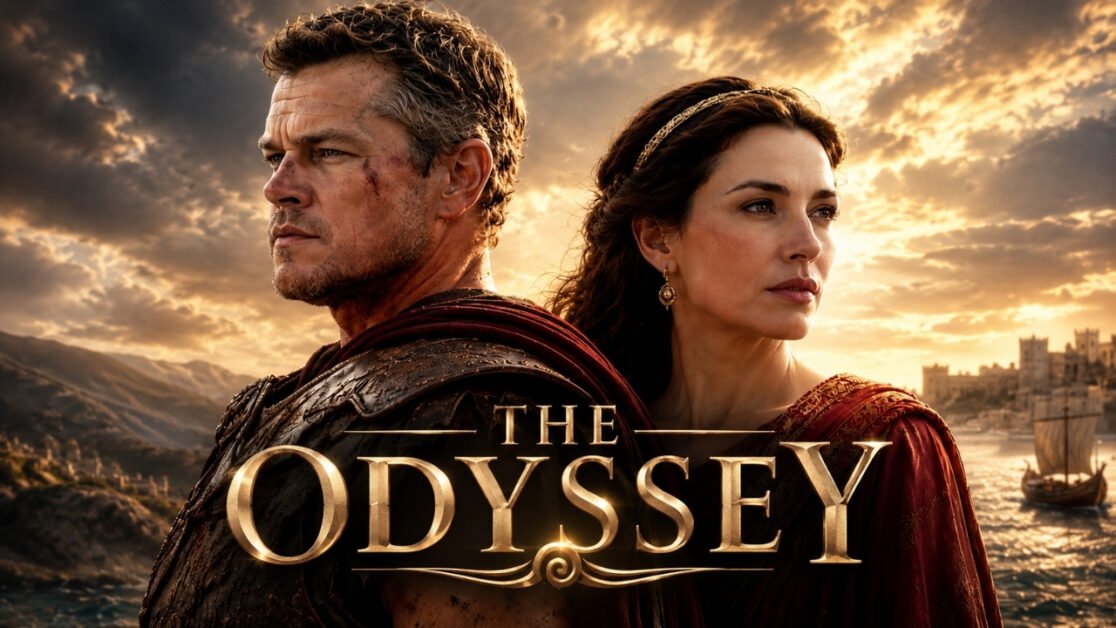
by Stories that survive for centuries usually have something extraordinary to offer, and The Odyssey is one of those rare classics. Homer’s legendary Greek epic has influenced literature, theatre, television, and cinema for generations. Now, acclaimed filmmaker Christopher Nolan brings this iconic tale back to the big screen with a fresh cinematic vision that combines mythology, human emotion, large-scale adventure, and breathtaking visuals.
Unlike a conventional fantasy film, The Odyssey presents an emotional journey where courage, sacrifice, loyalty, and survival take center stage. The film blends historical inspiration with modern filmmaking techniques, creating an experience that feels both timeless and relevant for today’s audiences. With a stellar cast, world-class technical crew, and Nolan’s signature storytelling style, the movie has quickly become one of the most talked-about releases of the year.
Whether you’re a fan of epic adventures, historical dramas, or Christopher Nolan’s filmmaking, The Odyssey promises a cinematic experience that deserves to be enjoyed on the biggest screen possible.
The Odyssey (2026) – Movie Details
| Movie Details | Information |
|---|---|
| Movie Name | The Odyssey |
| Directed by | Christopher Nolan |
| Screenplay by | Christopher Nolan |
| Starring | Matt Damon, Tom Holland, Anne Hathaway, Robert Pattinson, Lupita Nyong’o, Samantha Morton, Zendaya, Charlize Theron |
| Cinematography | Hoyte van Hoytema |
| Edited by | Jennifer Lame |
| Music by | Ludwig Göransson |
| Production Companies | Universal Pictures, Syncopy |
| Release Dates | July 6, 2026 (Odeon Luxe Leicester Square) July 17, 2026 (United States & United Kingdom) |
| Running Time | 173 Minutes |
| Countries | United States, United Kingdom |
| Language | English |
| Budget | $250 Million |
| Box Office | $640 Million |
| Sources | Wikipedia, IMDB, Rottentomatoes |
Story Overview
At its core, The Odyssey follows the unforgettable journey of Odysseus, the legendary King of Ithaca, whose greatest challenge begins only after a devastating war has ended. While many heroes dream of returning home after victory, Odysseus discovers that his real battle has only just begun.
His voyage back becomes an extraordinary adventure filled with dangerous seas, mysterious islands, powerful enemies, and unexpected obstacles that constantly test his intelligence, leadership, and determination. Every challenge pushes him closer to understanding that survival requires far more than physical strength. Wisdom, patience, resilience, and hope become equally important companions throughout the journey.
The story also explores the emotional impact of separation. While Odysseus struggles to overcome countless hardships, his family continues waiting for his return, creating a powerful emotional foundation beneath the film’s spectacular adventure. Rather than focusing entirely on action, the narrative gives equal importance to relationships, sacrifice, and the desire to reunite with loved ones after years of uncertainty.
Christopher Nolan approaches this legendary tale with a grounded cinematic style that emphasizes realism wherever possible. Instead of relying heavily on fantasy elements, the film appears to focus on believable human emotions, allowing audiences to connect with the characters even within an epic mythological setting.
Without revealing major plot developments, The Odyssey presents a story that balances suspense, exploration, emotion, and large-scale spectacle while remaining faithful to the timeless themes that have made Homer’s masterpiece endure for centuries.
Cast & Characters
One of the film’s biggest strengths is its remarkable ensemble cast. Christopher Nolan has assembled an impressive lineup of actors known for delivering memorable performances across a wide range of genres.
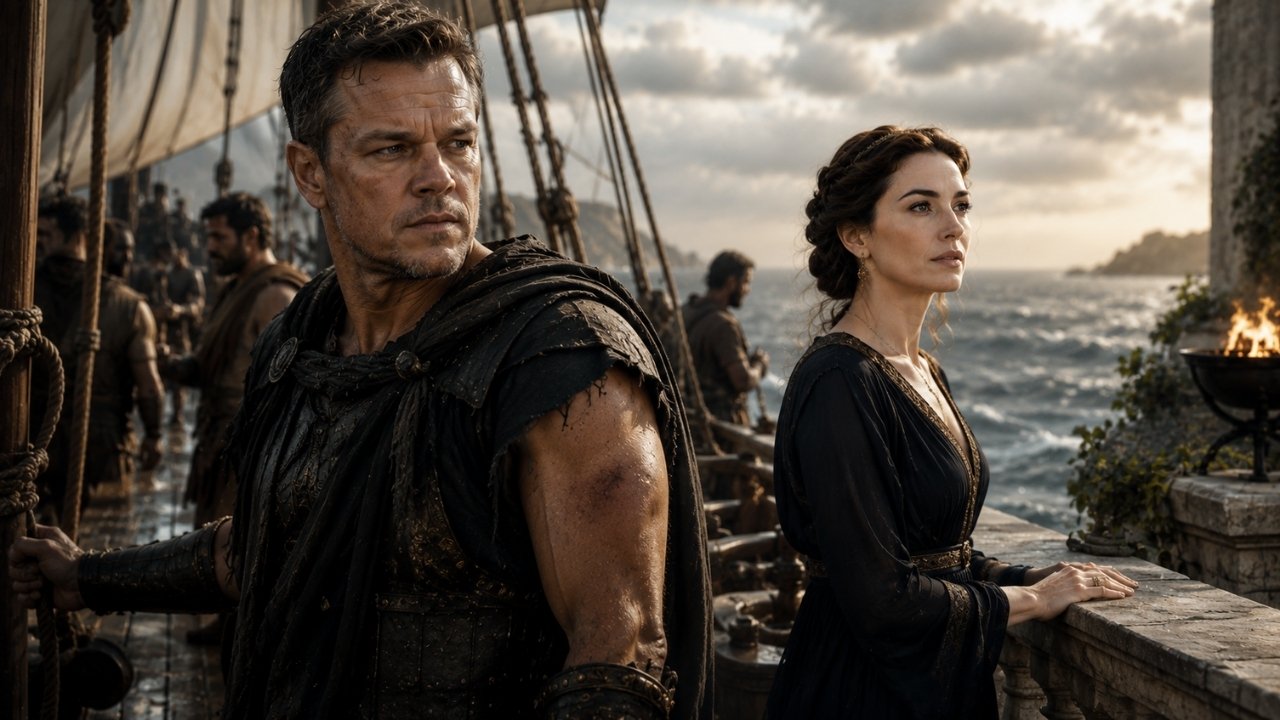
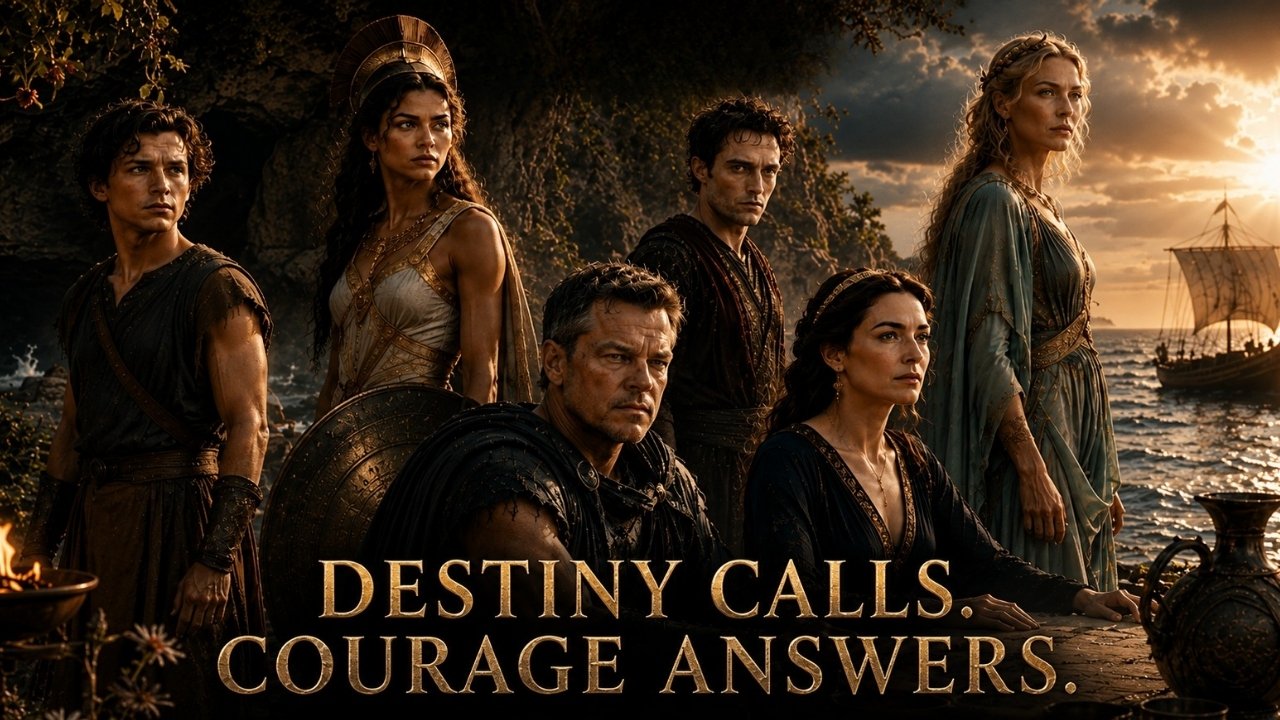
Matt Damon leads the film as Odysseus, portraying a character whose intelligence, courage, and determination define one of literature’s greatest heroes. His calm screen presence and ability to portray emotional complexity make him a natural fit for a role that demands both physical endurance and psychological depth.
Tom Holland appears as Telemachus, the son of Odysseus. His character represents the next generation and adds another emotional perspective to the overall story. Anne Hathaway portrays Penelope, whose patience and unwavering faith remain central to the emotional heart of the narrative.
The supporting cast—including Robert Pattinson, Lupita Nyong’o, Samantha Morton, Zendaya, and Charlize Theron—adds significant depth to the film. Rather than simply featuring recognizable faces, the casting reflects Nolan’s consistent focus on selecting performers capable of enhancing both the emotional and dramatic aspects of the story.
Each character appears to have a meaningful place within the narrative, contributing to a world that feels rich, immersive, and emotionally engaging.
Official Trailer Review
The official trailer immediately captures attention by emphasizing atmosphere rather than revealing every detail of the story. Instead of relying on rapid editing or excessive visual effects, it builds anticipation through carefully composed cinematography, emotional music, and visually stunning locations.
The opening moments establish the enormous scale of the journey. Vast oceans, towering cliffs, ancient architecture, and expansive landscapes create an authentic historical atmosphere that feels both grand and believable. Every frame demonstrates Christopher Nolan’s commitment to practical filmmaking and large-format cinematography.
One of the trailer’s most impressive qualities is its ability to create curiosity without depending on unnecessary exposition. Rather than explaining every plot point, it allows audiences to experience the emotional tone of the story through visual storytelling alone.
The background score gradually builds throughout the trailer, complementing the visuals instead of overpowering them. Moments of silence are used effectively, allowing dramatic scenes to leave a lasting impression before the music returns with greater intensity.
The trailer also highlights the film’s impressive production design. From detailed costumes and carefully constructed ships to realistic battle environments and beautifully designed ancient cities, every visual element contributes to creating a believable world inspired by Greek mythology.
Overall, the trailer succeeds in generating excitement while maintaining enough mystery to encourage audiences to discover the complete journey in theatres.
Direction & Screenplay Review
Christopher Nolan has consistently demonstrated his ability to transform ambitious concepts into emotionally engaging cinematic experiences. With The Odyssey, he faces the challenge of adapting one of history’s most celebrated literary works while making it accessible to modern audiences.
Rather than treating the source material as a conventional fantasy adventure, Nolan appears to focus on the emotional journey of the characters. Themes such as perseverance, leadership, family, sacrifice, and hope naturally become the driving force behind the narrative.
The screenplay appears structured around character development as much as spectacle. Every challenge encountered during the journey contributes not only to the adventure itself but also to the personal growth of the characters involved. This balance between emotion and action has become one of Nolan’s defining strengths as a filmmaker.
His preference for practical filmmaking further enhances the film’s authenticity. Large-scale sets, real locations, detailed production design, and carefully planned cinematography create an immersive cinematic experience that feels grounded despite its mythological origins.
Based on everything revealed so far, The Odyssey appears to be more than just another adaptation of a classic story. It presents an opportunity to experience one of literature’s greatest adventures through the vision of one of modern cinema’s most respected directors, combining technical excellence with meaningful storytelling in a way that few filmmakers consistently achieve.
Acting Performance Review
A story as iconic as The Odyssey depends heavily on convincing performances, and the cast assembled for this adaptation appears well-suited for the challenge. Rather than relying on exaggerated heroism, the film focuses on characters who feel emotionally grounded despite the larger-than-life world around them.
Matt Damon carries the emotional weight of the narrative with a calm yet determined screen presence. His portrayal of Odysseus reflects the qualities that have made the legendary hero memorable for centuries—intelligence, resilience, courage, and an unwavering desire to return home. Instead of presenting the character as invincible, the performance highlights his humanity, making every challenge feel meaningful.
Anne Hathaway brings warmth and emotional depth to Penelope. Although much of her story revolves around patience and hope, the character never feels passive. Her quiet strength adds balance to the larger adventure unfolding elsewhere.
Tom Holland adds youthful energy and determination as Telemachus. His journey complements the main storyline by exploring themes of responsibility, identity, and family, creating an emotional connection that strengthens the overall narrative.
The supporting cast also contributes significantly to the film’s immersive atmosphere. Every character feels like an important part of the story rather than simply filling screen time, helping create a believable world where relationships matter just as much as action.
Cinematography, Visual Effects & Production Design
One of the film’s greatest achievements is its remarkable visual presentation. Christopher Nolan has always preferred practical filmmaking wherever possible, and that philosophy is clearly reflected throughout The Odyssey.
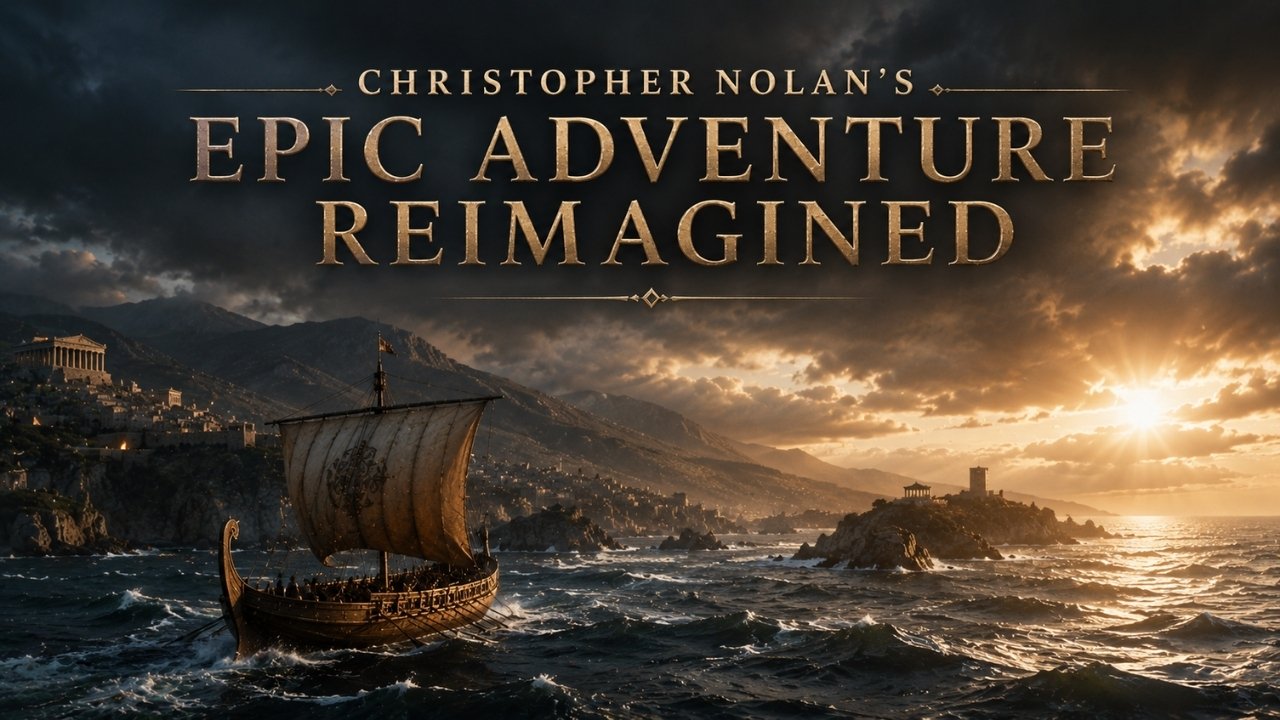
The cinematography captures the vast scale of the adventure with breathtaking precision. Expansive oceans, dramatic coastlines, towering mountains, and ancient cities are presented with extraordinary attention to detail, making every location feel authentic and visually memorable.
Instead of depending entirely on computer-generated imagery, the production combines practical effects with carefully integrated visual enhancements. This approach creates a more realistic viewing experience, allowing audiences to become fully immersed in the world without constantly being reminded of digital effects.
Production design deserves equal recognition. From detailed costumes and traditional weapons to massive ships and historically inspired architecture, every visual element contributes to building a believable setting. The careful craftsmanship visible throughout the film reinforces the feeling that this is a lived-in world rather than a stylized fantasy environment.
Lighting also plays an important role in establishing mood. Bright natural landscapes contrast beautifully with darker, more intense moments, giving each scene its own unique identity while maintaining visual consistency throughout the film.
Background Music & Sound Design
A film of this scale requires a soundtrack capable of matching its emotional and visual ambition, and The Odyssey delivers an impressive audio experience that enhances every stage of the journey.
The orchestral score complements the story without overpowering it. During emotional scenes, the music remains subtle, allowing the performances to take center stage. As the adventure grows more intense, the score gradually builds in both scale and emotion, creating moments that feel genuinely cinematic.
Equally impressive is the sound design. The crashing of waves, the movement of ships, the intensity of battle sequences, and the quieter moments of reflection all feel carefully balanced. Rather than relying on excessive volume, the film uses sound to create atmosphere and tension naturally.
The combination of music and environmental effects significantly enhances the theatrical experience, making premium formats particularly rewarding for audiences who appreciate immersive sound design.
What We Liked
- A timeless story adapted with respect for its literary roots.
- Christopher Nolan’s thoughtful direction adds emotional depth.
- Outstanding cinematography with breathtaking large-scale visuals.
- Strong ensemble cast that supports both the emotional and dramatic aspects of the story.
- Beautiful production design inspired by ancient civilizations.
- Practical filmmaking creates a realistic and immersive atmosphere.
- Excellent balance between adventure, emotion, and character development.
- Powerful orchestral score that complements the narrative.
- High-quality technical craftsmanship across every department.
- A cinematic experience best enjoyed on the biggest screen available.
What Could Be Better
- The extended runtime may feel demanding for viewers who prefer faster-paced storytelling.
- The narrative takes time to establish its world, requiring patience during the opening portions of the film.
- Some mythological references may be more meaningful to audiences already familiar with Homer’s original work.
- Viewers expecting nonstop action may find the film places greater emphasis on character development and emotional storytelling.
Detailed Rating Breakdown
| Category | Rating |
|---|---|
| Story | 9.4 / 10 |
| Direction | 9.8 / 10 |
| Acting | 9.3 / 10 |
| Cinematography | 9.9 / 10 |
| Visual Presentation | 9.8 / 10 |
| Background Score | 9.2 / 10 |
| Production Design | 9.6 / 10 |
| Entertainment Value | 9.4 / 10 |
| Overall Rating | 9.5 / 10 |
Should You Watch The Odyssey?
If you enjoy epic adventures, emotionally driven stories, and visually spectacular filmmaking, The Odyssey is a film worth adding to your watchlist.
Christopher Nolan’s storytelling style has always rewarded audiences who appreciate detailed world-building and meaningful character arcs. This adaptation appears to continue that tradition by combining timeless themes with modern filmmaking techniques.
Fans of historical dramas, mythology, and large-scale cinematic experiences are likely to appreciate the film’s ambitious production values. Even viewers unfamiliar with Homer’s original work can enjoy the emotional journey, as the story explores universal themes that remain relevant across cultures and generations.
For those planning to watch the film, experiencing it in a premium theatre format offers the opportunity to appreciate its impressive visuals and immersive sound design as intended.
Final Verdict
The Odyssey (2026) successfully transforms one of history’s greatest literary adventures into a visually ambitious cinematic experience. Rather than relying solely on spectacle, the film emphasizes character, emotion, and storytelling, creating a journey that feels both intimate and epic.
Christopher Nolan once again demonstrates his ability to handle complex material with confidence, balancing large-scale filmmaking with meaningful human drama. Combined with a talented cast, stunning cinematography, detailed production design, and memorable music, the film delivers an experience that stands out among modern adventure epics.
Whether you’re discovering Homer’s story for the first time or revisiting a timeless classic through a new perspective, The Odyssey offers an engaging and rewarding cinematic journey that celebrates resilience, hope, and the enduring power of home.
Frequently Asked Questions
Is The Odyssey (2026) based on a book?
Yes. The film is inspired by Homer’s ancient Greek epic poem, The Odyssey.
Who directed The Odyssey?
The movie is directed by Christopher Nolan.
Who plays Odysseus in the film?
Matt Damon portrays the legendary Greek hero Odysseus.
What is the runtime of The Odyssey?
The film has a runtime of 173 minutes.
What genre is the movie?
It combines Epic Adventure, Drama, and Mythological Fantasy.
Who composed the music?
The original score is composed by Ludwig Göransson.
Is the movie suitable for IMAX?
Yes. The large-scale cinematography and immersive sound design make it well suited for premium theatrical formats.
What makes this adaptation different?
The film combines Christopher Nolan’s grounded storytelling style with one of history’s most celebrated literary epics, focusing on emotional depth alongside spectacular visuals.
Conclusion
Some stories continue to inspire generation after generation because their themes never lose relevance. The Odyssey is one of those rare classics, and this adaptation introduces its legendary journey to a modern audience with remarkable ambition and technical excellence.
From its talented cast and impressive production design to its breathtaking cinematography and emotionally engaging storytelling, the film reflects the craftsmanship expected from a Christopher Nolan production. Every element works together to create an experience that feels grand in scale while remaining deeply personal at its core.
For audiences looking for an unforgettable adventure that blends mythology, emotion, and world-class filmmaking, The Odyssey delivers a cinematic experience that is both entertaining and memorable. Whether you are drawn by the legendary story, the exceptional cast, or Nolan’s distinctive vision, this is a film that deserves to be experienced on the big screen.