 by
by Sequels usually come with one big problem: expectation. If the first film works, the second one is no longer judged on its own. It gets measured against the impact of what came before it. That pressure becomes even heavier when the first film ends with unresolved tension, a bigger conflict waiting in the background, and a lead character whose story clearly isn’t finished yet.
That’s exactly the position Dhurandhar 2 walks into.
After the first film built its world around espionage, gang power, political manipulation, and the rise of an undercover operative inside enemy territory, the sequel doesn’t waste time trying to reinvent that setup.
Instead, it leans into it harder. Dhurandhar 2 is bigger in scale, louder in emotion, and far more interested in revenge than quiet strategy. It raises the stakes with more betrayals, political tension, emotional backstory, and large-scale action.
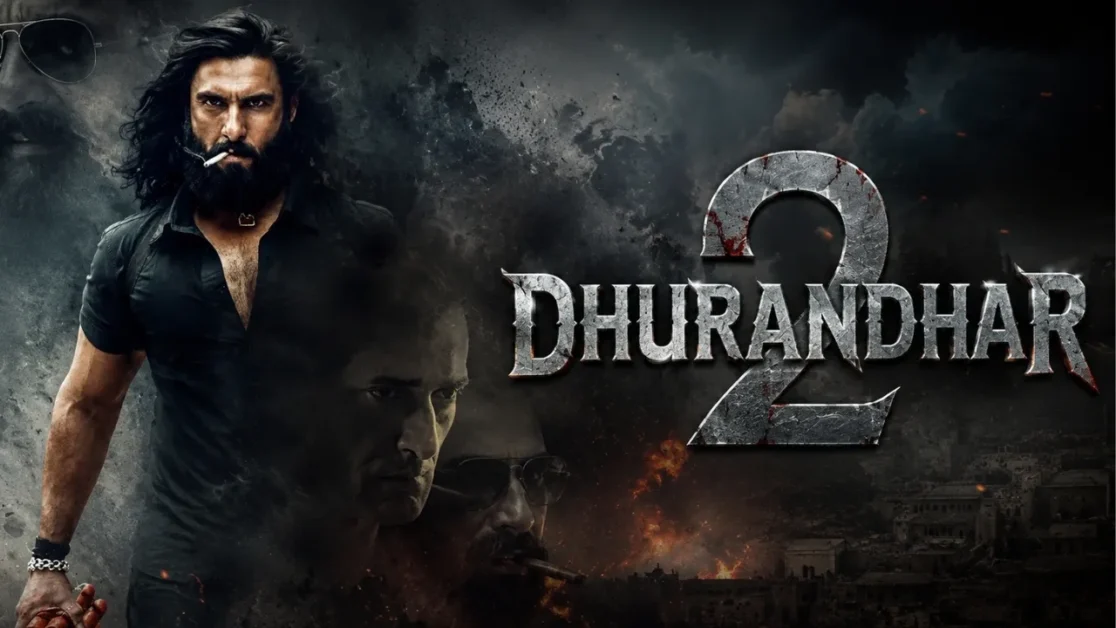
Directed by Aditya Dhar, the film continues the story of Hamza Ali Mazari, the identity adopted by an Indian intelligence operative who has already crossed too many lines to return to a normal life. This time, the conflict becomes even more personal. The film digs deeper into Hamza’s past, expands the network of enemies and power players around him, and pushes the narrative away from simple spy-thriller mechanics into something closer to a revenge-fueled action saga with emotional baggage hanging off every major decision.
That shift is what makes Dhurandhar 2 interesting — and also what makes it divisive.
This isn’t a clean, tightly contained spy film. It’s an overloaded, high-stakes espionage drama that often behaves like a gangster epic, an action spectacle, and an emotional tragedy all at once. Sometimes that ambition works in its favor. Sometimes it stretches the film to the point where it begins to feel too full of itself. But one thing is clear: Dhurandhar 2 is not interested in playing safe.
Story Setup: Revenge, Identity and a War That Keeps Expanding
Without going deep into spoiler territory, Dhurandhar 2 picks up after the fallout of the first film and pushes Hamza into an even more dangerous position. He is no longer just a man surviving inside a hostile world. He is now a key player in a system of crime, power, and politics that has become much bigger than the original mission. As the story moves forward, the film reveals more about who Hamza was before he became Hamza — including the roots of his transformation and the personal trauma that shaped his choices. The sequel continues Hamza’s infiltration into Karachi’s underworld while expanding the story into a larger revenge-driven conflict connected to his past.
That’s where the sequel changes its energy. The first film had the benefit of mystery and setup. We were discovering the world, the players, and the stakes alongside the central character. Dhurandhar 2 doesn’t have that luxury. It already assumes you know the world, so instead of explaining, it expands. It adds more layers to Hamza’s past, gives him more emotional wounds to carry, and places him in conflicts that are as much about personal grief as they are about national duty.
This makes the film feel less like a conventional “Part 2” and more like the second half of one giant story. In my view, the sequel feels more like the second half of a larger story, focusing less on introducing the world and more on developing Hamza’s past and bringing existing conflicts to a conclusion.
That observation makes sense. Dhurandhar 2 doesn’t behave like a fresh standalone adventure. It behaves like a continuation of a war that has already swallowed the hero whole.
Ranveer Singh Is the Film’s Engine
If Dhurandhar 2 works at all, it works first because Ranveer Singh commits to it with total intensity.
While watching the film, I never felt Ranveer Singh’s performance lose its intensity. Even during the slower portions, his screen presence kept me invested in Hamza’s journey. That consistency is one of the biggest reasons the film remains engaging despite its uneven pacing.
This is not a casual star performance. It’s a full-force, high-energy, emotionally aggressive turn built around rage, pain, and screen dominance. The film gives him a character who has already lived multiple lives — soldier, infiltrator, gangster, symbol, weapon — and asks him to carry not just the action, but the emotional burden of everything that came before. Ranveer clearly understands that the role only works if Hamza feels dangerous and damaged at the same time.
And to his credit, he sells that duality well.
There’s a certain unpredictability in the way he plays Hamza. Even when the screenplay becomes excessive, his performance keeps the character watchable because he never lets him become emotionally flat. In one scene, Hamza can look cold and strategic; in the next, he feels like someone barely holding his rage together. That volatility suits the film’s tone.
That’s probably the fairest summary of his contribution here: Ranveer Singh doesn’t solve every problem in Dhurandhar 2, but he gives the film enough force to keep it alive through its messier stretches.
The Film Is Bigger Than the First One — For Better and Worse
There’s a certain kind of sequel that takes the success of the first film as permission to do more of everything. More characters. More flashbacks. More locations. More action blocks. More emotion. More slow-motion hero shots. More twists. Dhurandhar 2 absolutely belongs to that category.
The scale is huge. The world is busier. The stakes are broader. The emotional flashbacks are more elaborate. The violence is more brutal. And the runtime? Also significantly larger. Reports around the release listed the film at 3 hours 49 minutes, making it even longer than the first chapter.
That ambition can be exciting in the beginning because it gives the film a sense of event cinema. It doesn’t feel like a modest follow-up. It feels like a filmmaker trying to build an epic. But the downside is obvious too: the film sometimes struggles to control all that material.
There are stretches where Dhurandhar 2 is gripping because it throws you into a world of shifting loyalties, gang rivalries, intelligence operations, and revenge-fueled decisions with real urgency. Then there are stretches where it becomes overindulgent — where scenes go on longer than they need to, where hero glorification takes over narrative momentum, or where the film seems more interested in building myth than moving the story.
That imbalance is one of the main reasons reactions to the movie are mixed. Some viewers enjoy the sheer scale and intensity. Others feel the sequel is too long, too self-aware, and too obsessed with elevating Hamza at the expense of tighter storytelling.
Backstory Gives the Film Emotional Weight
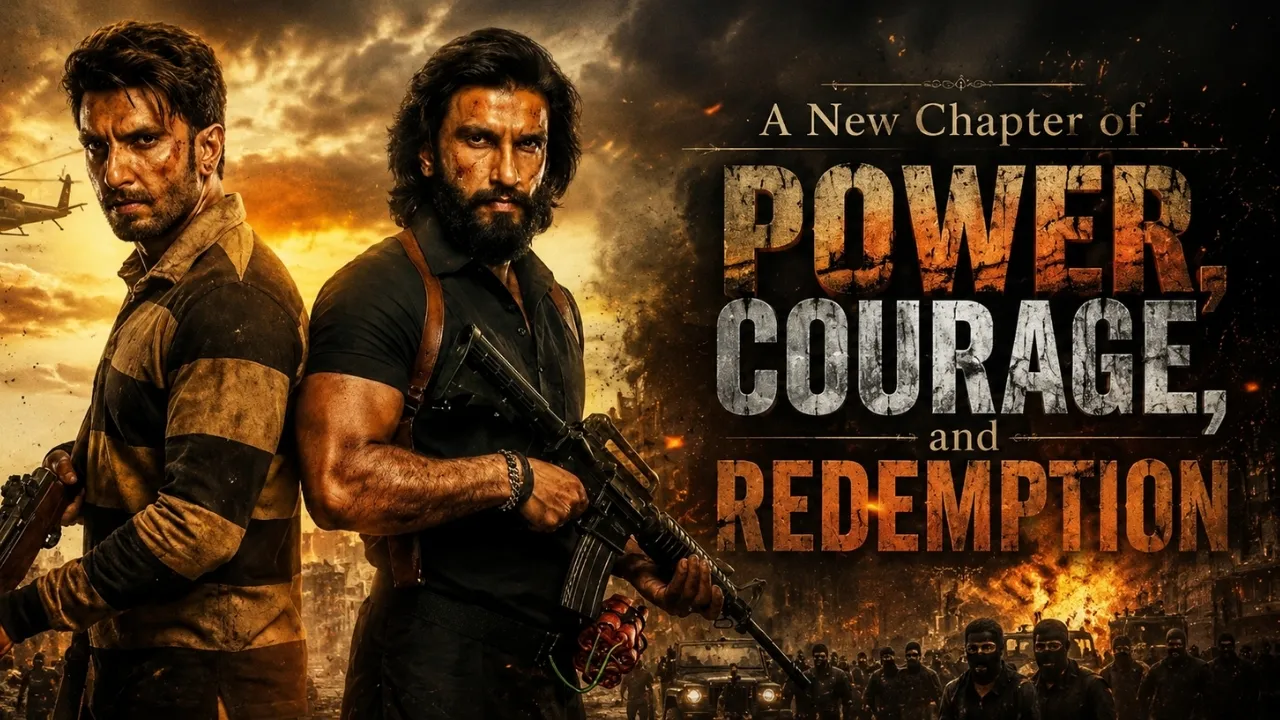
One of the smarter decisions in Dhurandhar 2 is its willingness to spend time on who Hamza used to be before he became the terrifying figure at the center of this spy-crime universe. The sequel reportedly opens by digging into the backstory of Jaskirat Singh Rangi, the identity and emotional origin that sits beneath Hamza Ali Mazari.
That matters because revenge stories are only as effective as the emotional pain underneath them.
Personally, I found these emotional flashbacks more effective than I expected. They gave Hamza’s decisions greater emotional weight and made several later scenes feel more impactful instead of relying only on action.
If the film had treated Hamza as a machine built only for violence, the sequel would have risked becoming emotionally numb. By connecting his present brutality to family trauma, history, and personal loss, the film gives the revenge arc greater emotional depth.
Not every part of that emotional writing lands perfectly. Some viewers felt the backstory could have been placed later in the film for stronger impact, while others thought the family material needed more breathing room. But even with those structural issues, the emotional layer helps. It reminds the audience that Hamza is not just a superhuman spy-kingpin hybrid. He’s a man who has been hollowed out by grief and rebuilt by rage.
That emotional context is one reason the film doesn’t feel like pure action packaging. Underneath the bullets, conspiracies, and slow-motion power walks, Dhurandhar 2 is trying to tell a story about identity being destroyed and rebuilt through violence.
Action, Violence and the “Massification” of a Spy Thriller
The first Dhurandhar had a certain gritty edge because the world still felt unstable and the hero still felt vulnerable. The sequel takes a different route. Here, Hamza is no longer simply surviving; he often feels like a near-mythic force moving through the underworld. That shift changes the film’s action language.
While watching the film, I noticed that the action sequences are much larger in scale than those in the first installment. Although some scenes rely heavily on slow-motion hero shots, the choreography still delivers several memorable moments.
That criticism isn’t entirely unfair. Dhurandhar 2 often wants Hamza to feel less like a covert operative and more like a warlord with cinematic gravity. Whether that works for you depends on what you liked about the first film. If you wanted a more muscular, mythic sequel with grander action and a stronger revenge high, you may enjoy the escalation. If you preferred the original’s sense of danger and realism, the sequel may feel too stylized.
Still, there’s no denying that Aditya Dhar knows how to stage scale. Even when the film overreaches, it rarely looks small. The action has weight, the world feels expensive, and the violence has a brutal physicality that keeps the film from becoming too glossy.
The Supporting Cast Helps, But the Villain Problem Is Real
A sequel this packed needs strong supporting players, and Dhurandhar 2 certainly has them on paper. Sanjay Dutt, Akshaye Khanna, R. Madhavan, and Arjun Rampal bring gravitas and star presence to the world around Hamza.
But the bigger question is whether the antagonistic forces around Hamza are compelling enough to challenge him. In my opinion, this is where the sequel loses some of the tension that made the first film so engaging. Although the supporting cast performs well, the villains never feel as intimidating or memorable as they should.
I also felt the villains weren’t as memorable as the central character. As a result, some confrontations lacked the tension needed to make the conflict feel truly unpredictable.
The supporting cast does what it can, but the movie never fully escapes the sense that it is more fascinated by Hamza than by the people trying to stop him.

Politics, Controversy and the Weight of Real History
The film also touches on sensitive historical and political themes, adding another layer to its revenge-driven narrative. These elements give the story additional emotional weight, although they are not explored in equal depth throughout the film.
That doesn’t automatically make the film politically profound, but it does show that Dhurandhar 2 is trying to connect its spy-fiction world to emotionally charged historical wounds and questions of identity. Sometimes that gives the story weight. Sometimes it also adds to the sense that the film is trying to hold too many things at once — espionage thriller, revenge drama, gangster saga, political commentary, and star vehicle.
So, Is Dhurandhar 2 Better Than Part 1?
In my opinion, whether Dhurandhar 2 is better than the first film depends on what you enjoyed most about the original. I appreciated its larger emotional scope, but I also felt the longer runtime occasionally affected the pacing.
If you loved the original for its world-building, emotional stakes, and Ranveer Singh’s transformation, then Dhurandhar 2 gives you more of all three. It is bolder, darker, and far more emotionally charged. It also feels like a payoff film — the kind of sequel that exists to cash in all the narrative chips the first part carefully arranged.
But if you preferred the first film because it felt tighter, grittier, and more controlled, the sequel may frustrate you. It is longer, louder, and much more indulgent. It wants to turn Hamza into a near-legend, and not every viewer will go along with that transformation.
The fairest way to put it is this: Dhurandhar 2 is more ambitious than the first film, but not always more disciplined. It has bigger highs, but it also has messier edges.
Review Note: This review is based on my personal viewing experience. It reflects my own opinions and is intended to help readers decide whether the film matches their interests.
Conclusion
After watching Dhurandhar 2, I felt the sequel successfully expands the story, even though it isn’t as tightly paced as the original. The stronger emotional moments and Ranveer Singh’s performance left a positive impression, while the lengthy runtime remained its biggest weakness for me.
But even with those flaws, Dhurandhar 2 is not a forgettable sequel. It may be uneven, overstuffed, and too fascinated with its own hero at times, but it still has ambition, energy, and enough emotional charge to keep you invested. It doesn’t play like a cautious continuation. It plays like a full-blown escalation.
If you liked the first film and you’re willing to accept a sequel that goes bigger, darker, and far more dramatic, Dhurandhar 2 gives you a lot to engage with. It may not be cleaner than Part 1, but it is definitely louder, riskier, and harder to ignore.
FAQ
1.Is Dhurandhar 2 worth watching?
Answer:
Yes, especially if you enjoyed the first film. The sequel expands Hamza’s story with larger action sequences, stronger emotional moments, and an ambitious narrative, although its lengthy runtime may not appeal to everyone.
2.Do I need to watch Dhurandhar Part 1 first?
Answer:
Yes. While Dhurandhar 2 explains some important events, watching the first film provides better context for the characters, relationships, and ongoing conflict.
3.Who gives the best performance in Dhurandhar 2?
Answer:
Ranveer Singh delivers the standout performance, balancing intense action with emotional depth throughout the film.
4.Is Dhurandhar 2 better than the first movie?
Answer:
That depends on personal preference. The sequel offers a larger scale and more emotional storytelling, while the first film remains tighter and more grounded.
5.What are the biggest strengths and weaknesses of Dhurandhar 2?
Answer:
Its biggest strengths are Ranveer Singh’s performance, large-scale action, and emotional backstory. The main weaknesses are the lengthy runtime and comparatively weaker villains.