
 by
by Some films are easy to describe. You watch them, follow the plot, and move on. Dashavatar 2025 isn’t one of those films. It’s the kind of movie that stays in your mind because it doesn’t just tell a story — it carries emotion, memory, culture, and mythology in the same breath.
At first glance, Dashavatar 2025 looks like a Marathi suspense drama built around an ageing folk performer and a family tragedy. But once the story begins to unfold, it becomes much more than that. This is a film about loss, identity, cultural roots, and the strange way old legends can come alive in modern pain.
If you’re searching for the full Dashavatar 2025 story, cast details, and Dashavatar 2025 ending explained, here’s a fresh and fully rewritten breakdown that feels less like a robotic summary and more like a real conversation about what the film is trying to say.
What Is Dashavatar 2025 Really About?
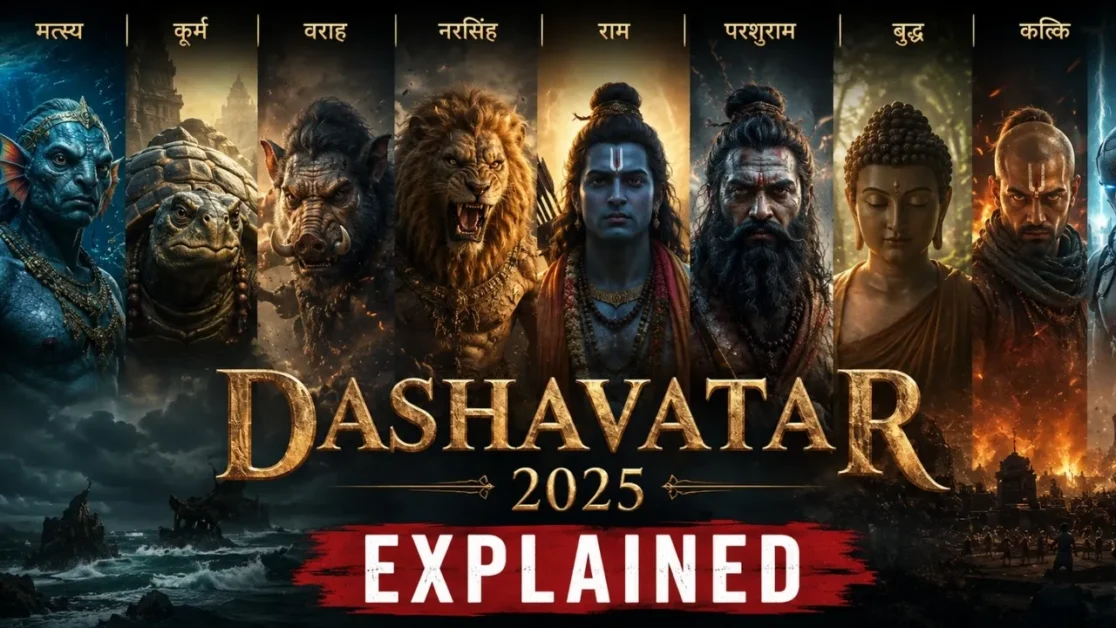
At its core, Dashavatar 2025 is about Babuli Mestri, an elderly Dashavtari folk artist from Konkan who has spent his life performing stories based on the ten avatars of Vishnu. For him, theatre isn’t entertainment alone — it’s tradition, faith, memory, and identity.
Babuli is nearing the end of his performing life. His health is declining, his body is tired, and the world around him is changing faster than he can keep up with. Yet he continues to perform because Dashavatar is not just an art form to him. It’s his life’s purpose.
The film begins with a simple emotional setup: Babuli promises his son that he will retire after one final performance. That promise should have been the beginning of peace. Instead, it becomes the doorway to tragedy.
And that’s where Dashavatar 2025 changes tone.
What starts as a grounded family drama slowly transforms into a story about grief, rage, justice, and the return of myth in a very human form. The legends Babuli once performed on stage begin to shape how he faces the darkness in real life.
That’s the heart of Dashavatar 2025 — not mythology as spectacle, but mythology as emotional truth.
The Soul of the Film: Babuli Mestri
If there’s one reason Dashavatar 2025 movie works emotionally, it’s Babuli Mestri.
Babuli is not written as a larger-than-life hero. He’s introduced as a tired old man who has given everything to an art form that the modern world barely notices anymore. He’s respected by some, pitied by others, and quietly left behind by time. That makes him feel real from the very first scene.
He isn’t trying to become a savior. He simply wants to finish his final performance with dignity and see his son build a stable life. That’s what makes his journey in Dashavatar 2025 so powerful. He begins as a father and performer, not a mythic figure. The transformation comes later, and because of that, it feels earned.
Babuli’s pain doesn’t turn him into a standard revenge hero. Instead, it pulls him deeper into the world of the stories he has spent decades performing. The divine avatars stop being costumes and become moral forces inside him. His grief starts speaking in the language of myth.
That’s why Babuli isn’t just the protagonist of Dashavatar 2025 story — he is the emotional bridge between folk tradition and modern tragedy.
A Father, A Son, and a Life About to Change
Before Dashavatar 2025 becomes dark and intense, it spends time building a fragile emotional world around Babuli and his son Madhav.
Madhav represents a different generation. He respects his father’s tradition, but he also wants a practical life. He wants work, stability, and a future. He loves Babuli, but he also wants him to stop carrying the burden of performance and finally rest.
There’s warmth in their relationship, and that warmth matters. It gives the film emotional grounding before everything falls apart.
Madhav’s relationship with Vandana adds another layer to the story. She represents ordinary happiness — the kind of life that feels possible when people are simply trying to move forward. On paper, their future seems close. Babuli is preparing for one last Dashavatar performance, Madhav is ready to step into a new chapter, and the family finally seems close to peace.
But Dashavatar 2025 story doesn’t stay in that hopeful space for long.
A devastating turn during the Mahashivratri period changes the direction of the film completely. The family’s future is shattered, and Babuli is pulled into a world where grief, violence, and spiritual symbolism begin to merge.
When Performance Stops Being Performance
This is the point where Dashavatar 2025 movie becomes truly interesting.
Babuli has spent his life performing divine roles. He knows the language of avatars, justice, sacrifice, and cosmic balance better than anyone around him. So when tragedy enters his life, he doesn’t process it in a conventional way. He responds through the stories that shaped him.
That’s the film’s most compelling idea.
The “return” in Dashavatar 2025 is not about gods literally descending from the heavens in a fantasy-style twist. It’s about a broken man carrying those legends into real life. The stage disappears, but the moral force of the avatars remains.
Babuli begins to embody the values behind those legends — anger against evil, refusal to surrender, and the need to restore order when the world has become cruel and corrupt.
This is what gives Dashavatar 2025 story its identity. Without this layer, it would simply be another revenge drama. With it, the film becomes something more haunting and more memorable.
Dashavatar 2025 and the Power of Folk Tradition
One of the best things about Dashavatar 2025 is that it doesn’t use mythology as decoration. The Dashavatar tradition is deeply woven into the film’s DNA.
Dashavtari folk theatre is a living performance tradition rooted in stories of Vishnu’s ten avatars. In many films, folklore is reduced to costumes, dramatic visuals, or a few symbolic references. Dashavatar 2025 movie takes a different path. It treats this tradition as something alive — something that shapes community memory, identity, and emotional survival.
That matters because the film is not just about one man’s grief. It’s also about what happens when culture begins to fade, when art forms are pushed aside, and when people who carry tradition are treated like relics rather than living guardians of memory.
Babuli’s struggle becomes bigger than personal revenge because the world he’s fighting for includes more than family. It includes land, heritage, performance, and a way of life that modern greed has no patience for.
That’s one reason Dashavatar 2025 review discussions often focus on the cultural layer of the film. Even when the narrative becomes heavy or uneven, the cultural atmosphere gives it weight.
Konkan Is More Than a Background Setting
A lot of films use beautiful locations as visual wallpaper. Dashavatar 2025 does something smarter than that.
Konkan isn’t just where the story happens. It’s part of the story itself.
The landscape, local atmosphere, village tensions, and traditional performance culture all shape the emotional texture of the film. Babuli’s connection to his land feels inseparable from his connection to Dashavatar theatre. Remove Konkan from the film, and you remove half its soul.
That’s why the setting in Dashavatar 2025 movie feels so important. The region isn’t there just for visual appeal. It represents belonging, memory, and something worth protecting. The threats in the story don’t just target individuals; they threaten a whole ecosystem of culture and identity.
This grounding is one of the biggest reasons Dashavatar 2025 feels different from a generic myth-inspired thriller.
Dashavatar Cast and Characters
A film like this depends heavily on performance, and thankfully the Dashavatar cast gives the story emotional strength.
Dilip Prabhavalkar as Babuli Mestri
He is the beating heart of Dashavatar 2025. His performance gives Babuli fragility, dignity, pain, and quiet fire. He doesn’t overplay the role, which is exactly why it works. You believe in Babuli as a father, an artist, and a man standing on the edge of emotional collapse.
Siddharth Menon as Madhav
Madhav brings emotional stakes to the film. His role is essential because he represents the future Babuli is trying to protect. Through him, Dashavatar 2025 story gains tenderness before it enters tragedy.
Priyadarshini Indalkar as Vandana
Vandana adds warmth and emotional softness to the first half of the film. She symbolizes the life that could have been — the normal happiness that feels painfully close before the story turns darker.
Supporting Cast
The supporting cast helps build the world around Babuli, especially the forces of power, corruption, and conflict that shape the second half of the film. Their presence matters because Dashavatar 2025 movie is not only about inner grief; it’s also about the external systems that deepen that grief.
Is Dashavatar 2025 a Revenge Thriller?
Yes — but only partly.
Calling Dashavatar 2025 a revenge thriller is not wrong, but it’s incomplete. Revenge is part of the film’s emotional engine, yet it’s not the full story.
The movie is equally about:
- cultural survival
- the fading value of folk performance traditions
- a father’s grief
- the destruction caused by greed and power
- the collision between myth and reality
- the need to protect memory, identity, and place
That’s why Babuli feels more layered than a typical revenge protagonist. He isn’t chasing violence for its own sake. He’s reacting to a world that has taken too much from him and from the culture he represents.
In Dashavatar 2025 story, revenge becomes tied to ritual, memory, and resistance. That’s what gives the film emotional depth.
Dashavatar 2025 Ending Explained
Let’s talk about the part many viewers search for most: Dashavatar 2025 ending explained.
Without spoiling every beat mechanically, the ending of Dashavatar 2025 works best if you stop looking at it as a simple “hero vs villain” payoff. It’s not built like a mainstream action climax where the only question is who wins.
The final act is about transformation.
By the time the film reaches its ending, Babuli is no longer just a father reacting to tragedy. He has become a symbolic extension of the Dashavatar tradition itself. The line between performer and legend is no longer clear. He carries grief like a wound, but he also carries the moral force of the stories he has lived through for years on stage.
The ending feels powerful because it combines three things at once:
1. Personal grief
Babuli’s actions come from deep personal loss. Nothing in the climax works unless you feel that pain behind him.
2. Cultural symbolism
The film doesn’t treat the climax as a random act of rage. It frames it through the world of avatars, sacrifice, and moral balance.
3. A larger fight beyond one family
The ending suggests that Babuli is fighting not only for justice in a personal sense, but also for the survival of something bigger — memory, land, and tradition.
That’s why the final stretch of Dashavatar 2025 ending explained feels emotional rather than merely dramatic. It’s not just about punishment. It’s about what Babuli becomes by the end: a final guardian of stories, values, and resistance.
What Works Best in Dashavatar 2025
Every film has strengths and weaknesses, and Dashavatar 2025 review conversations are no different. But there are several things the film gets right.
Strong central performance
Dilip Prabhavalkar gives the film its emotional backbone. Without him, the entire story would lose much of its power.
Cultural authenticity
The Dashavatar tradition, Konkan setting, and regional atmosphere make the film feel rooted instead of manufactured.
Emotional ambition
The film aims for something larger than a basic thriller, and that ambition deserves credit.
A fresh use of mythology
Rather than turning mythology into fantasy spectacle, Dashavatar 2025 uses it as an emotional and psychological language.
Where the Film May Feel Uneven
To be fair, Dashavatar 2025 movie may not work perfectly for everyone.
Some viewers may feel the pacing slows down in places, especially when the story shifts between realism and symbolic storytelling. Others may wish certain supporting characters had more depth or that some plot threads were explored more fully.
Still, even where the film stumbles, it remains interesting. And that matters. A flawed film with something to say is often more memorable than a polished film that says nothing.
Why Dashavatar 2025 Stays With You
What makes Dashavatar 2025 memorable isn’t just its plot. It’s the feeling it leaves behind.
This is a film about an ageing performer who refuses to let pain erase meaning. It’s about what happens when sacred stories stop being stage performances and start becoming a way to survive unbearable reality. It’s about a father, an artist, and a man carrying the weight of a fading tradition into a brutal modern world.
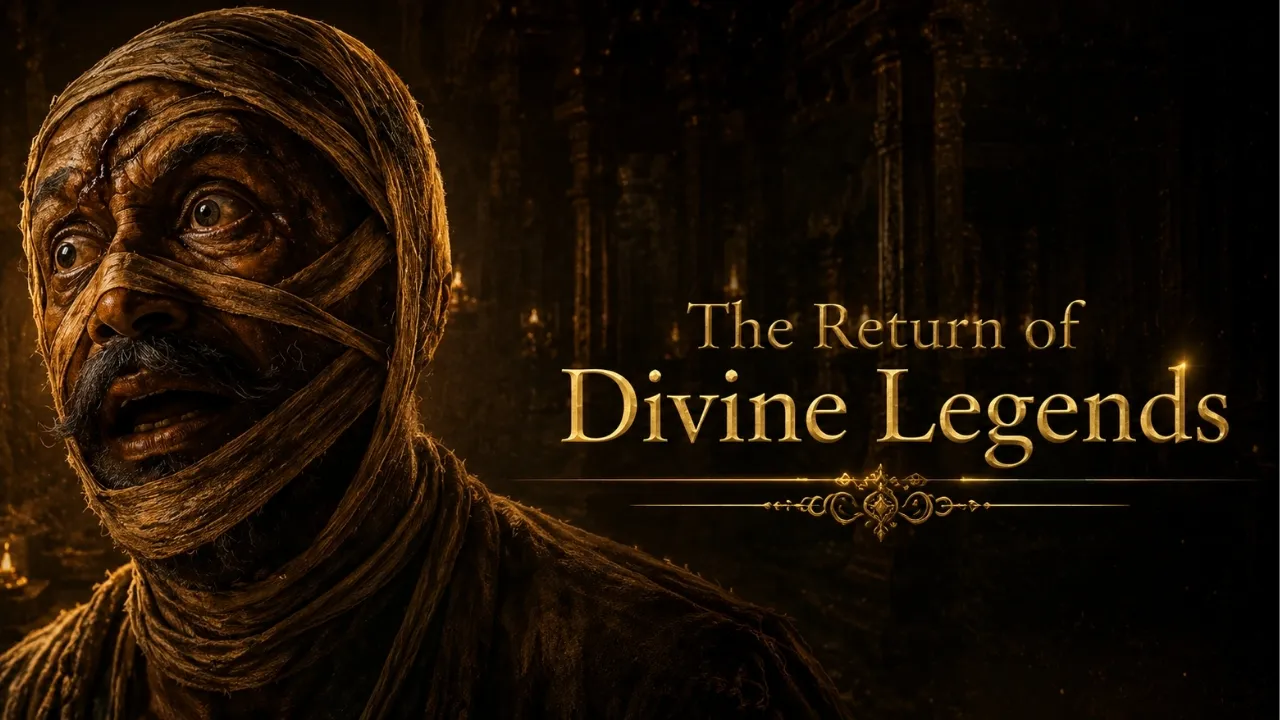
That’s why the title works. The “return of divine legends” is not simply about mythology returning to cinema. It’s about those legends returning through human emotion — through grief, courage, rage, and resistance.
And Babuli Mestri becomes the vessel for that return.
Conclusion
Dashavatar 2025 is not just a Marathi thriller with mythological references. It’s a layered film about loss, cultural memory, family, and the way old legends continue to live through ordinary people. At the center of the story is Babuli Mestri, a man who begins as a fading folk performer and slowly becomes something much more powerful — a symbol of grief, resistance, and moral strength.
If you’re looking at Dashavatar 2025 only as a revenge drama, you’ll miss what makes it special. The film is really about what survives when everything else begins to collapse: tradition, memory, and the stories that shape who we are. Its ending lands because Babuli is no longer just performing divine legends by that point — he has, in many ways, become the human face of them.
That’s the real power of Dashavatar 2025. It turns mythology into emotion, folklore into resistance, and one man’s pain into something larger than himself. Whether you watch it for the performances, the cultural depth, or the symbolic storytelling, it’s a film that offers more than a simple plot. It gives you something to think about long after the credits roll.




I don’t think the title of your article matches the content lol. Just kidding, mainly because I had some doubts after reading the article.
I don’t think the title of your article matches the content lol. Just kidding, mainly because I had some doubts after reading the article.
Your article helped me a lot, is there any more related content? Thanks!